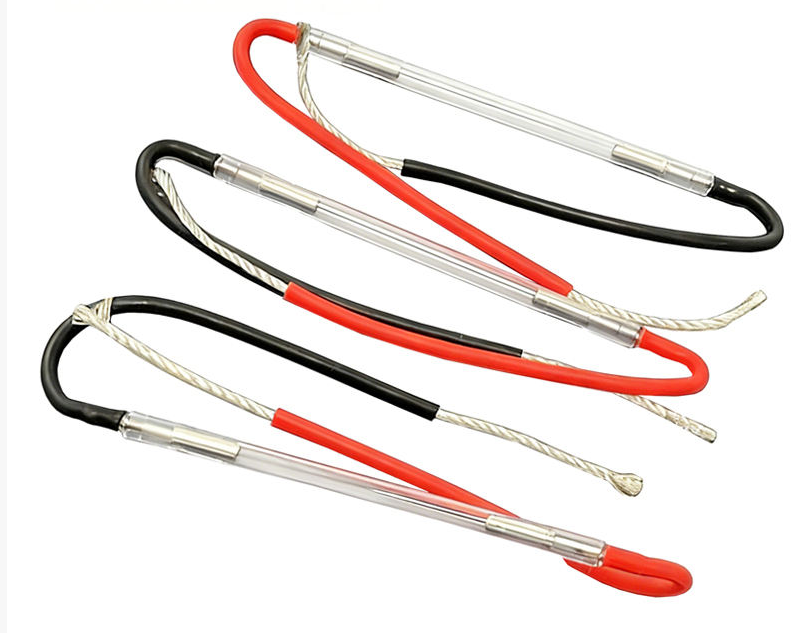
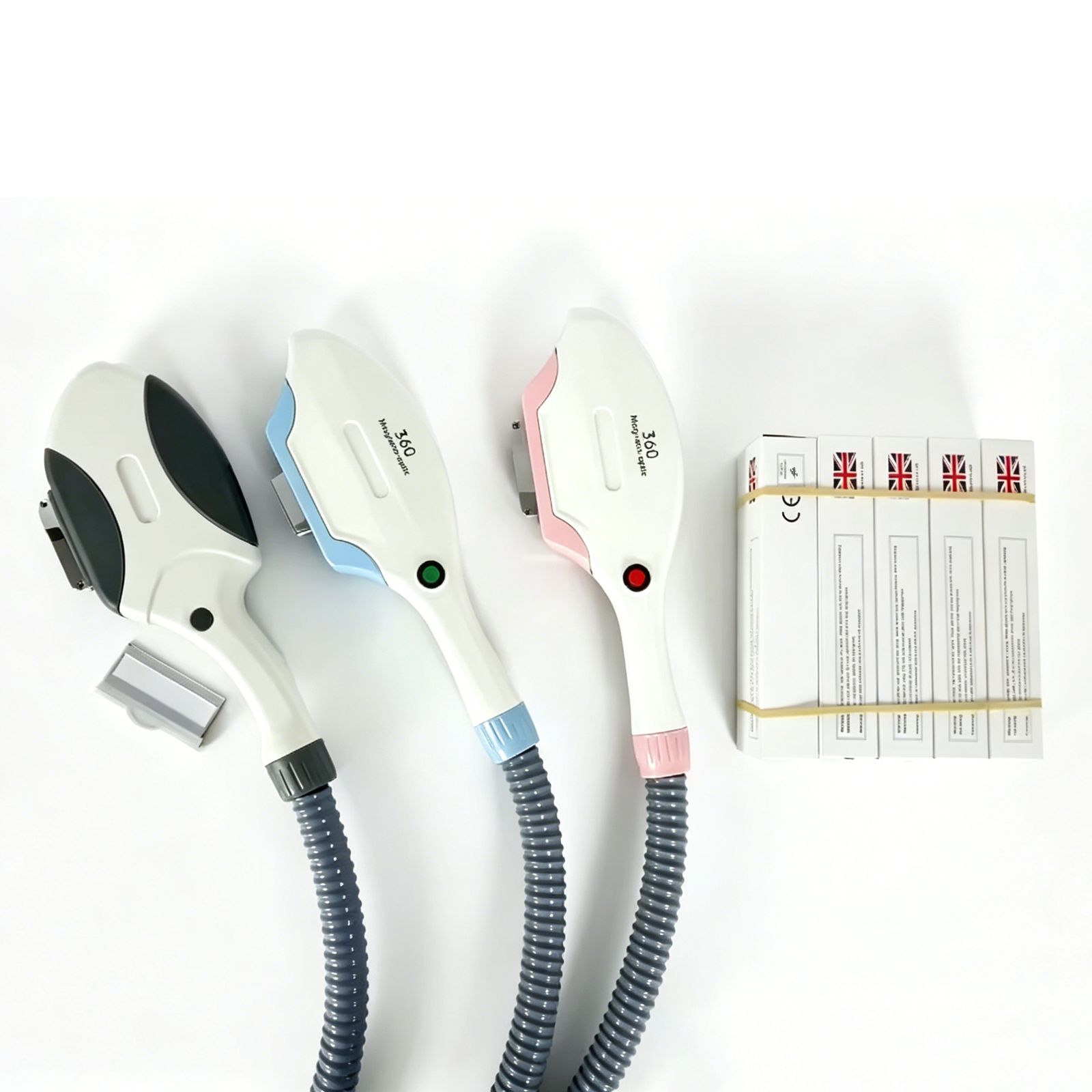
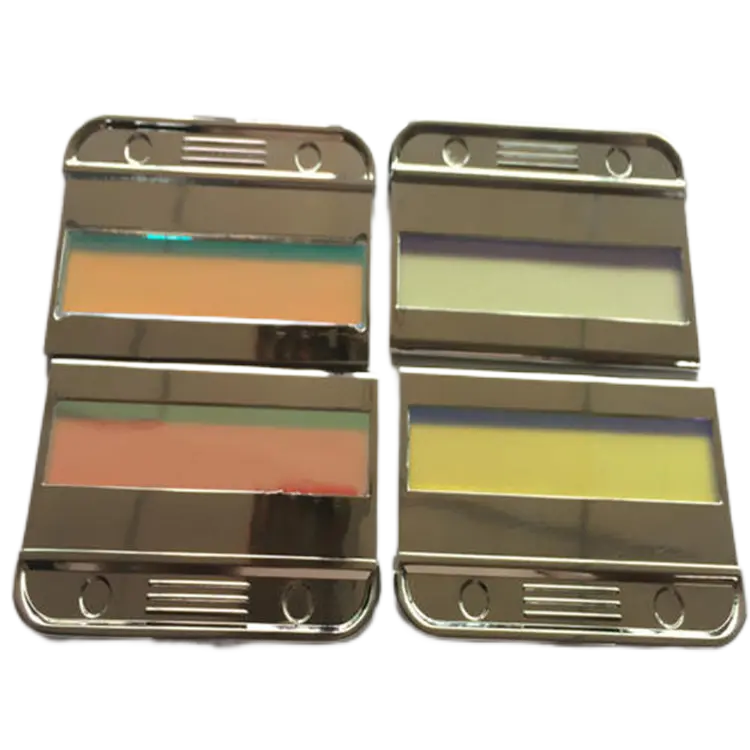
IPL xenon lamps don’t die suddenly. They fade — slowly, week by week — until one day you notice you’re using higher fluence settings, the treatments take longer, and the hair removal results aren’t what they were six months ago. The machine still fires. The display still shows the energy you set. That’s the trap.
Here’s something most people don’t realize: a xenon lamp that has fired 300,000 pulses still works. It flashes. It makes the popping sound. The machine counts the shot. But the actual light energy coming out of that lamp can be 30-40% lower than what the display shows. The console measures the electrical input to the lamp, not the optical output from the lamp. And as the lamp ages, the gap between those two numbers grows.
This guide covers how long IPL lamps actually last in a clinic setting, the warning signs that appear well before failure, and a practical approach to deciding when to replace vs. when to push a little further.
How Many Shots Does an IPL Xenon Lamp Actually Last?
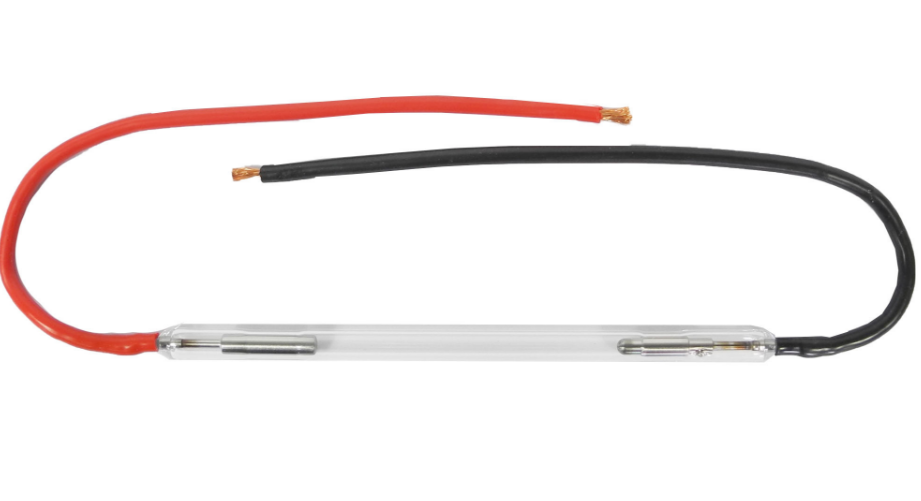
The honest answer depends heavily on lamp quality, cooling, and how hard you drive it:
In a clinic doing 10-15 IPL treatments per day, averaging 100-200 shots per treatment, that’s roughly 30,000-90,000 shots per month. A mid-range handpiece rated at 300,000 shots will last about 4-10 months of daily use before output starts slipping. High-volume clinics burning through 200,000+ shots per month may replace lamps every 6-8 weeks.
6 Signs Your IPL Lamp Needs Replacement
1. The Energy Creep — Earliest and Most Reliable Sign
Six months ago, you got great hair removal results at 18 J/cm². Now you’re at 22 J/cm² and the results are “okay.” You’ve compensated by turning up the energy — which works temporarily — but you’re treating the symptom, not the cause. The lamp is producing less light per joule of electrical input. When you’ve raised your normal fluence by 20-25% to get the same clinical result, the lamp is on borrowed time.
2. Flickering or Unstable Flash
You see the flash waver or jump when firing against a uniform surface. It’s subtle — you’ll notice it most when firing at a white test block or a large flat treatment area. The arc inside the lamp is becoming unstable because the electrodes are eroding unevenly. A healthy lamp produces a clean, consistent flash every single pulse. Flickering means the arc path is unpredictable, and unpredictable arcs deliver unpredictable energy.
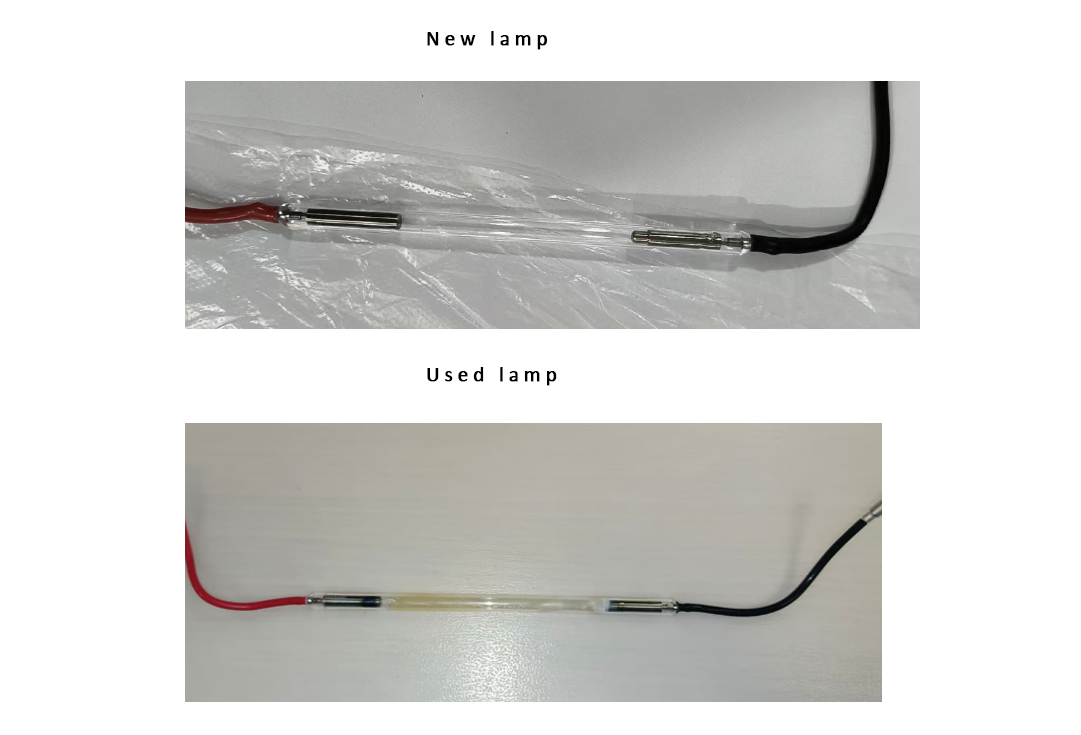
3. The Quartz Tube Looks Dark or Cloudy
Take the lamp out and hold it up to a light. A new lamp is crystal clear — you can see the electrodes inside sharply. An aging lamp develops:
- Dark metallic deposits on the inside of the glass — this is tungsten sputtered off the electrodes and deposited on the tube wall. Most visible near the anode (positive) end.
- A yellowish or brownish haze inside the quartz — this is gas contamination from electrode material vaporizing into the xenon fill gas.
- Micro-cracks or frosting on the outer surface — thermal stress from thousands of heating/cooling cycles.
Any of these means the lamp is significantly degraded. The dark deposits directly block light output — the more deposit, the less light reaches the skin.
4. Hard Starting — The Lamp Struggles to Ignite
You press the trigger and there’s a delay before the flash — a fraction of a second where nothing happens, then the lamp fires. Or you hear a weak initial pop followed by a normal flash. This is electrode wear. The trigger voltage is struggling to jump the gap because the electrode surface has eroded and pitted. Hard starting gets worse fast — once it begins, you typically have days to weeks before the lamp fails to fire entirely.
5. Blue-White Glow Instead of Bright White Flash
During operation, the lamp envelope looks bluish-white rather than the normal bright white. This is often accompanied by abnormal electrical readings — high current draw but low voltage. It means the lamp has developed a slow gas leak (“leaker”). The xenon pressure inside has dropped, changing the discharge characteristics. A leaker delivers diminished output and will fail completely soon. Replace immediately.
6. Built-in Shot Counter Warning
If your IPL console has a lamp life counter, don’t ignore it. Most professional systems flash a warning at 80-90% of rated lamp life. By the time the counter reaches zero, the system may lock out the handpiece entirely. Some machines let you reset the counter and keep firing; that doesn’t mean the lamp is still good — it means the machine trusts you to use your judgment. Use it.
How to Actually Know When to Replace: The 80% Rule
Professional IPL maintenance guidelines use a simple threshold: replace the lamp when output drops below 80% of factory calibration. This isn’t arbitrary — at 80%, the energy is still high enough to be clinically effective but low enough that further degradation accelerates.
If you don’t have a calibration tool (most clinics don’t), here’s a practical substitute:
- Establish a baseline when the lamp is new. On day one, fire 10 shots at 15 J/cm² onto white paper or a test block. Take a photo of the flash pattern. Note the sound — a sharp, crisp “pop.”
- Repeat monthly. Same settings, same surface, same room lighting. Compare the flash brightness and the sound.
- When you notice a visible difference — the flash looks dimmer, sounds softer, or the paper isn’t as brightly lit — the lamp has degraded enough to matter.
Is this scientifically precise? No. But it catches the degradation before patients do, and it costs nothing. For a $1,200-2,500 handpiece replacement, a monthly 30-second check seems reasonable.
How to Extend IPL Lamp Life
FAQ
Can I just replace the lamp inside the handpiece, or do I need a whole new handpiece?
On most Chinese/Korean IPL systems, you can replace just the xenon lamp — it’s a $20-80 part vs. $1,200-2,500 for a complete handpiece. See our lamp replacement guide → However, some sealed premium handpieces (Alma, Lumenis) are factory-sealed and not designed for user lamp replacement — you have to send them in or replace the entire handpiece. Check your manual or look for screws on the handpiece housing. If there are screws, it’s probably user-serviceable.
Is it worth buying a cheap no-name lamp vs. a branded one?
Depends on your volume. Cheap lamps ($10-20) use lower-grade quartz and less consistent electrode doping. They work, but they degrade faster — you might get 150,000 usable shots instead of 300,000. If you’re a low-volume clinic doing 5 treatments a week, the cheap lamp is fine. If you’re doing 15 treatments a day, the mid-grade lamp ($30-50) costs more upfront but lasts longer and maintains consistent output better. Calculate per-shot cost, not per-lamp cost.
My lamp died at only 80,000 shots — what did I do wrong?
Premature lamp failure is almost always heat-related. Check: are the cooling vents clogged? Is the fan working? Is the handpiece sitting in direct sunlight or near a radiator between treatments? Also check if you’re running at maximum fluence for every patient — some operators default to max energy “to be safe,” which dramatically shortens lamp life. Match the fluence to the patient’s skin type and hair color — the lowest effective energy is the right one.
What happens if I keep using a lamp past its rated life?
The lamp won’t explode (probably). But the treatments become progressively less effective because the actual delivered energy keeps dropping while the display says everything is normal. Patients who used to need 6 sessions for clearance now need 8-9. You’ll blame the machine, the technique, the patient’s hair type — but it’s just the lamp. Replace it at the rated life or when you see any of the 6 signs above, and your treatment consistency will come back.
IPL Xenon Lamps, Handpieces & Filter Glass
Stock up before your lamp dies mid-session. We carry IPL xenon lamps in all 12 sizes, plus complete handpieces and filter glass. Send us a photo of your old lamp next to a ruler for size matching →