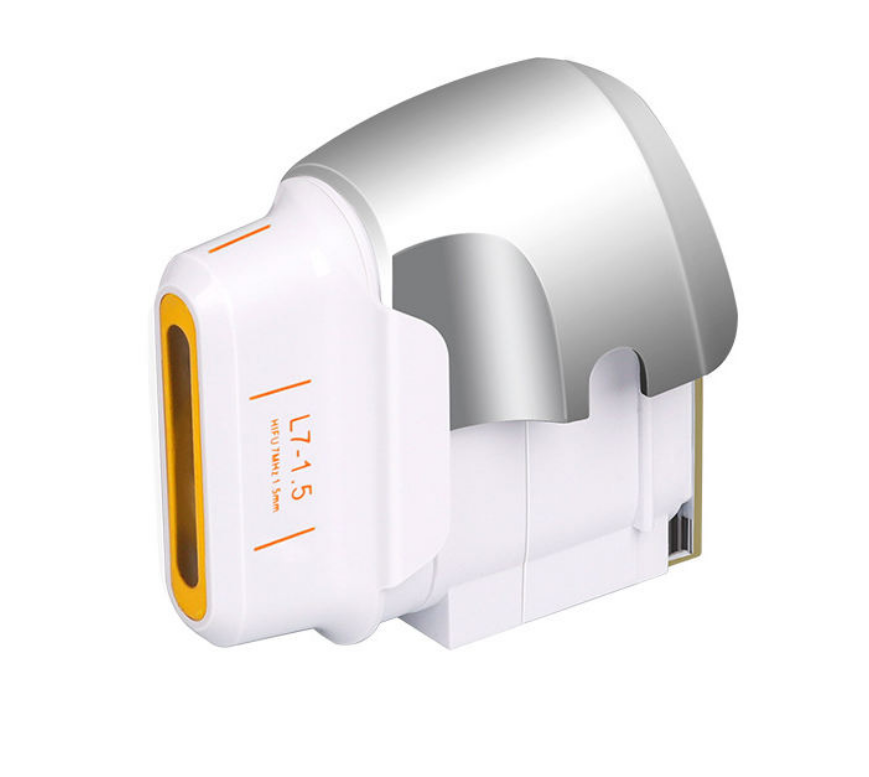
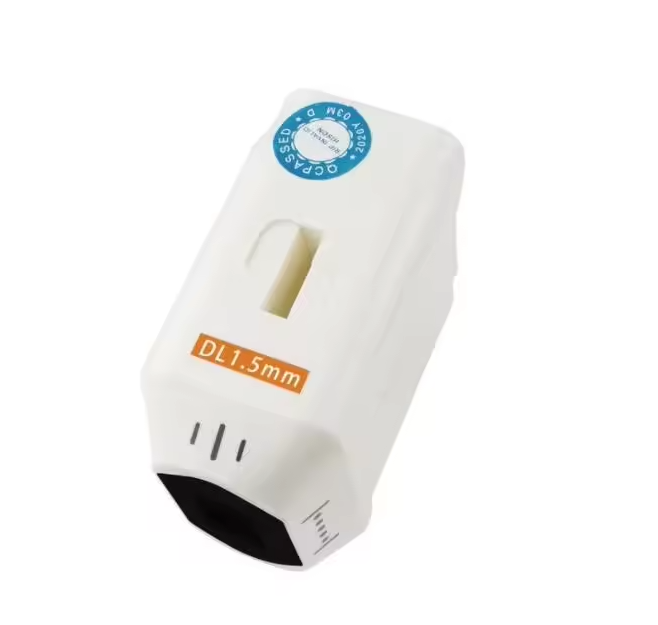
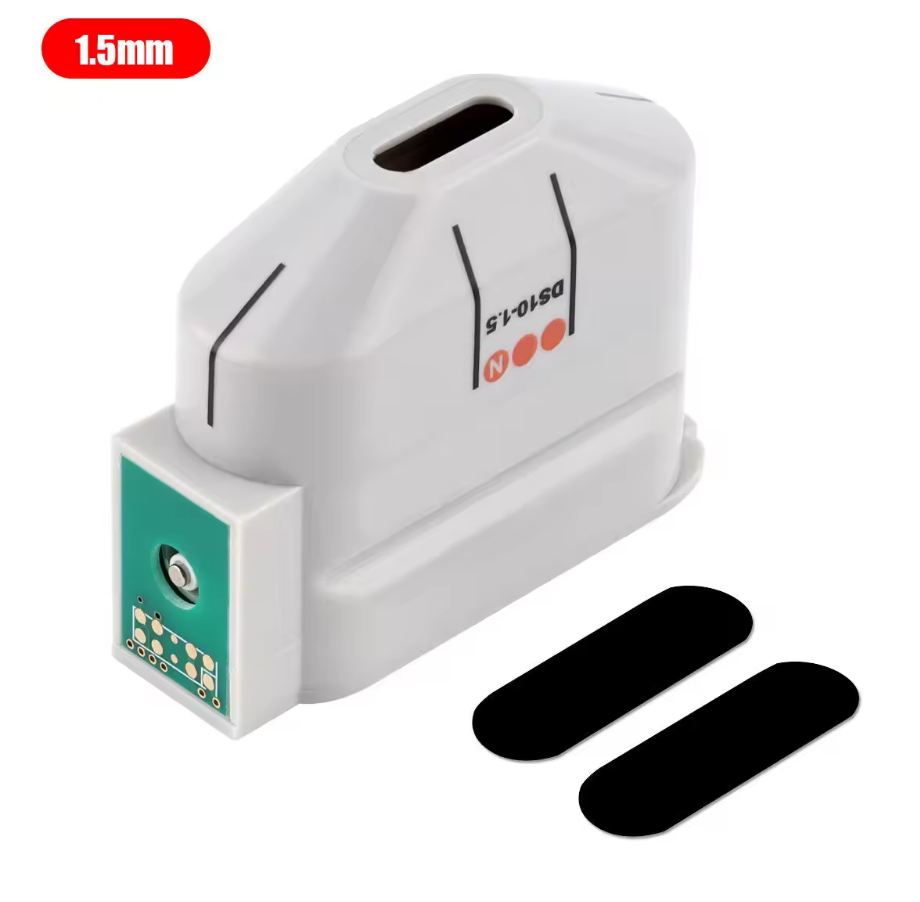
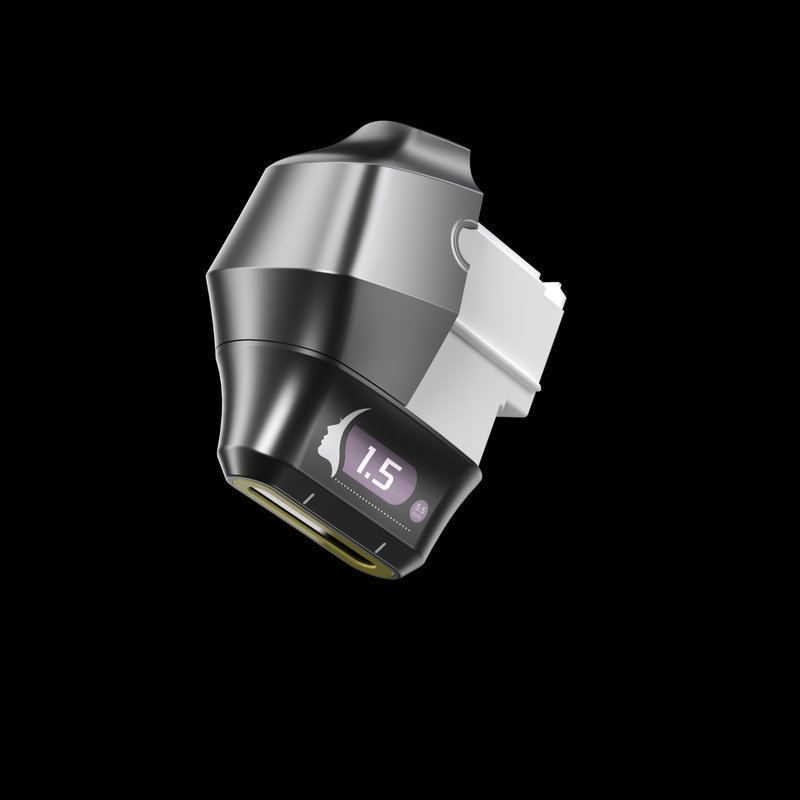
Every HIFU cartridge has a number on it — 10,000 shots, 20,000 shots, 30,000 shots. But that number doesn’t tell the whole story. A well-maintained cartridge can comfortably exceed its rating. A neglected one can die at half. And the shot counter chip? That thing is more about planned obsolescence than actual cartridge condition.
Here’s what you actually need to know about how long HIFU cartridges last, how to calculate your real per-treatment cost, and when to pull a cartridge before it pulls itself mid-session.
First: How Many Shots Do You Actually Use Per Treatment?
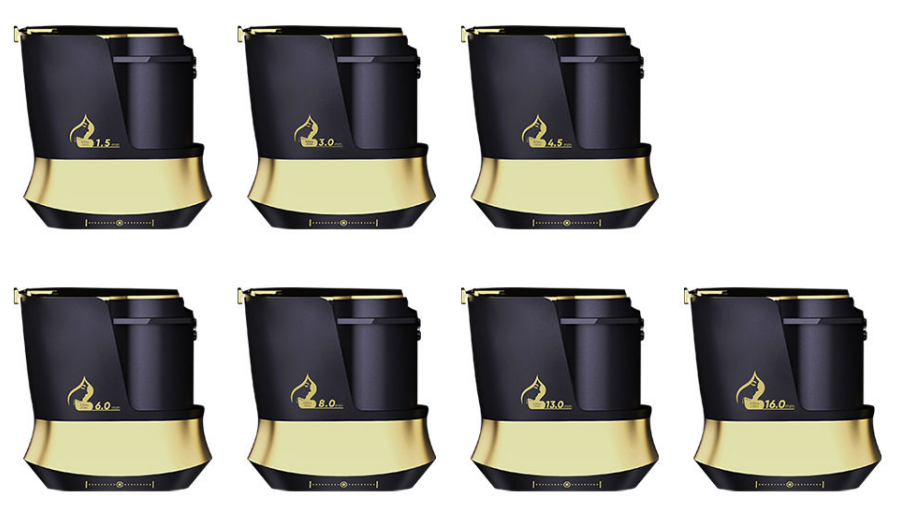
Before you can think about cartridge lifespan, you need to know your per-session consumption. Industry standards across multiple sources paint a consistent picture:
Using a 20,000-shot 7D cartridge for full-face treatments at 600 shots per session, you get about 33 treatments per cartridge. At a wholesale cartridge cost of ~$20, that’s roughly $0.60 per treatment in cartridge cost. This is one of the cheapest consumables in all of aesthetic medicine — which makes it all the more puzzling when clinics try to squeeze extra sessions out of a dying cartridge to save sixty cents.
Rated Lifespan by Cartridge Type
Per-treatment cost based on wholesale cartridge pricing. 12D Max has higher consumable costs due to coded cartridges and lower rated lifespan — factor this into your treatment pricing if you’re on the 12D platform.
5 Factors That Determine Actual Lifespan
1. Water Level — The #1 Factor, No Contest
Water inside the cartridge cools the crystal and conducts ultrasound energy. Without enough water, each shot does 5-10× the normal wear. A cartridge that would reach 20,000 shots with proper water can die at 5,000-8,000 if run dry. Check water levels every 2-4 weeks. Air bubbles in the water are almost as bad as no water — they create dead spots where the crystal overheats locally.
2. Energy Level Settings
Running at maximum joules (2.0-3.0 J) wears the crystal faster than moderate settings (1.0-1.5 J). A cartridge used exclusively at 3.0 J may only reach 60-70% of its rated shots. This isn’t a reason to undertreat — it’s a reason to factor energy level into your cost-per-treatment calculation.
3. Firing Speed (Hz)
Maximum firing speed generates more cumulative heat because the crystal gets less cooling time between shots. The difference between 2 Hz and 5 Hz can mean 20-30% shorter lifespan. Moderate speeds let the crystal cool between pulses.
4. Storage Conditions
Cartridges degrade in storage too — especially in hot, humid treatment rooms. High heat bubbles the internal coupling gel and makes membranes brittle. Direct sunlight accelerates seal degradation. Store spares in a cool, dry place (15-25°C). If a cartridge has been sitting in a drawer for 6+ months, check the water level and fire 50 test shots before using it on a patient.
5. Handling
Dropping a cartridge — even from waist height onto a tile floor — can create micro-fractures in the piezoelectric crystal that you can’t see. The cartridge may still fire, but those fractures grow with every thermal cycle. Also: don’t tightly coil handpiece cables. This fatigues the internal coaxial wiring and causes intermittent signal loss that gets blamed on the cartridge.
7 Signs Your Cartridge Is Dying
Don’t wait for zero shots on the counter. These warning signs appear well before total failure:
1. Gradual Energy Drop — The Earliest Sign
You set the machine to 1.5 J but it feels like 0.8 J. You’re creeping the energy setting higher to get the same clinical response. Patients who used to react at a certain level now say they barely feel anything. This is crystal degradation — it’s converting less electrical energy into ultrasound and more into heat. When you’ve raised your normal energy by 30%+ to get the same result, you’re on borrowed time.
2. Change in Patient Sensation — Don’t Ignore This
This is a distinctive and reliable warning sign. Patients start reporting sharp, superficial “zapping” pain instead of the normal deep, warm, penetrating heat they’re used to. The ultrasound beam is diverging — losing its focal precision — and energy is scattering into shallower tissue layers instead of concentrating at the target depth. When patients describe the sensation differently than before, believe them. The cartridge is losing focus.
3. Inconsistent Shot-to-Shot Energy
Shot 1 feels normal, shot 2 feels weak, shot 3 feels normal again. The machine displays the same energy throughout. This means micro-cracks in the crystal are causing intermittent energy conversion. This is not fixable with water or cleaning. Replace immediately — inconsistent energy means inconsistent treatment results and a frustrated patient.
4. “Cold Shots” — Pulses That Don’t Generate Heat
You hear the tick, the machine counts the shot, but there’s no thermal effect at the skin surface. The electrical circuit fired, but the crystal didn’t convert the energy to ultrasound. This is a mechanical failure inside the crystal. Replace the cartridge — each cold shot is doing zero clinical work while still counting against your session.
5. Overheating
Cartridge body or tip becomes hot (not warm) after 20-30 shots. Energy that should go out as ultrasound is converting to heat inside the cartridge instead — a sign of severe crystal degradation. Stop immediately. An overheating cartridge can burn a patient.
6. Water Leaking
Moisture around the fill port, seams, or connector area. Green/white residue (mineral deposits) at the fill port. Water escaping toward the electrical contacts is a handpiece hazard — it can short the connector pins and corrode the socket. Replace immediately.
7. Visible Physical Damage
Cracks in the housing, loose/wobbly tip, bent or recessed contact pins, cracked or sticky fill port rubber. Physical damage creates pathways for water leakage and electrical shorts. Don’t try to glue or tape a cracked cartridge — replace it.
When to Replace: Proactive vs. Reactive
FAQ
Can I use a cartridge past its rated shot count?
Yes — if it shows zero warning signs and you’ve maintained water levels consistently. Many well-maintained cartridges reach 120-150% of rating. But have a replacement on hand and check performance before each session once you’re past the rated count.
Does the shot counter reset when I remove the cartridge?
On most machines, no — the counter is stored in the console, not the cartridge. But some budget machines do reset on removal, which is another reason to keep a manual log.
Can I repair a dying cartridge?
No. The piezoelectric crystal is a bonded, sealed assembly. You can’t re-polarize a degraded crystal, fix micro-cracks, or re-seal a leaking fill port. Cartridges are consumables by design — when they’re done, they’re done.
How does the 12D Max coded cartridge system affect replacement?
12D Max cartridges have a memory chip that permanently locks the cartridge when the counter reaches zero. Unlike 2D/4D/7D where you can sometimes stretch past the rating, 12D is a hard stop. This makes your consumable cost more predictable but less flexible. Budget for exact cartridge replacement at the rated shot count.
How long does the HIFU console itself last?
The main console typically lasts 8-10 years with proper maintenance. Handpieces should be replaced every 2-3 years depending on volume — internal coils wear after 1-2 million pulses and capacitors degrade over time. Compared to the console and handpiece, cartridges are the frequent-replacement consumable — budget them as an ongoing operating expense, not a capital cost.
Genuine HIFU Cartridges — Factory Direct, Consistent Quality
Every cartridge we ship uses full-size piezoelectric crystals with gold-plated connectors. CE certified. Real rated shot counts — not inflated marketing numbers. Ask about bulk pricing and sample orders →