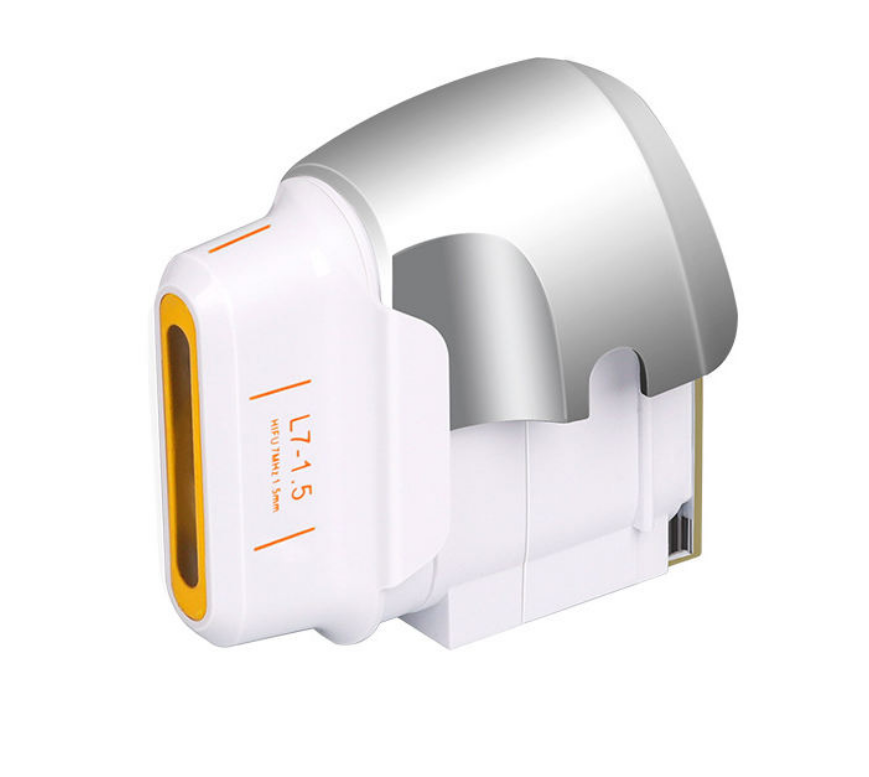
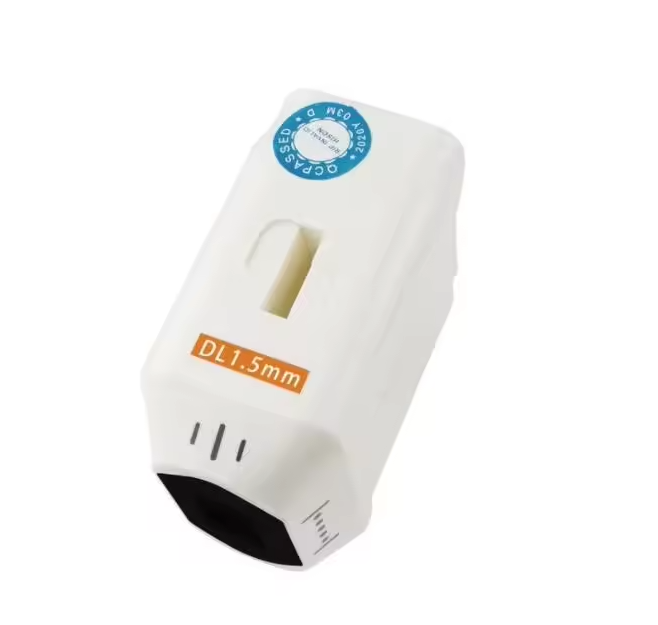
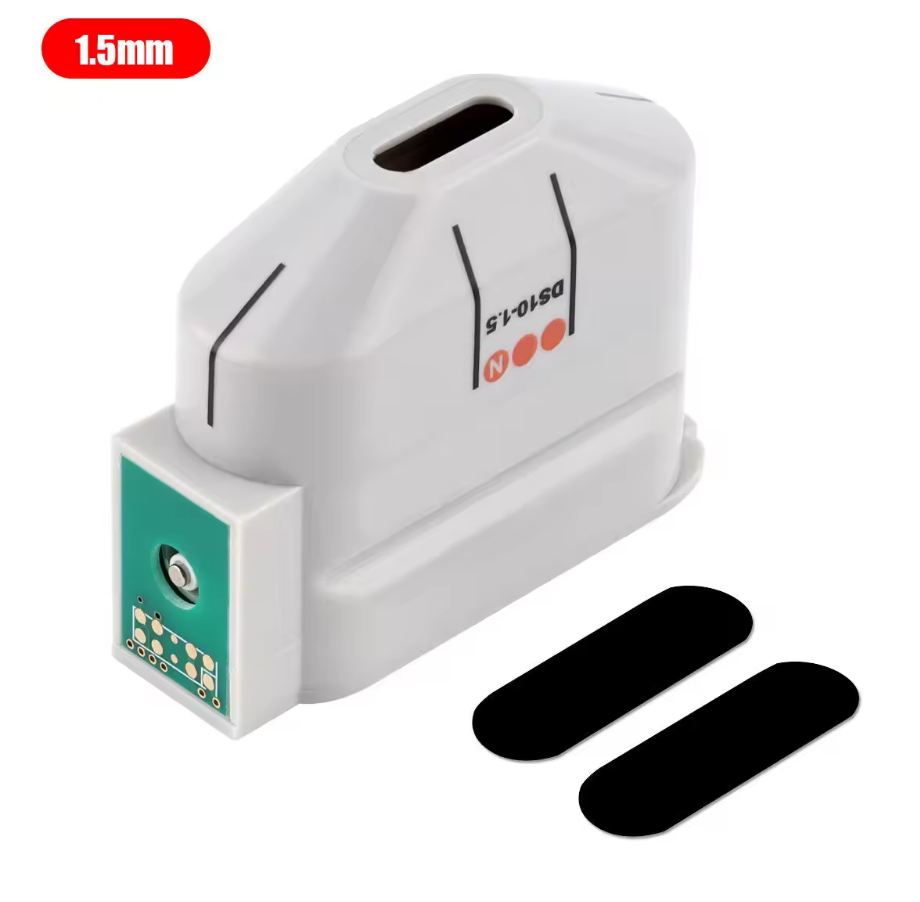
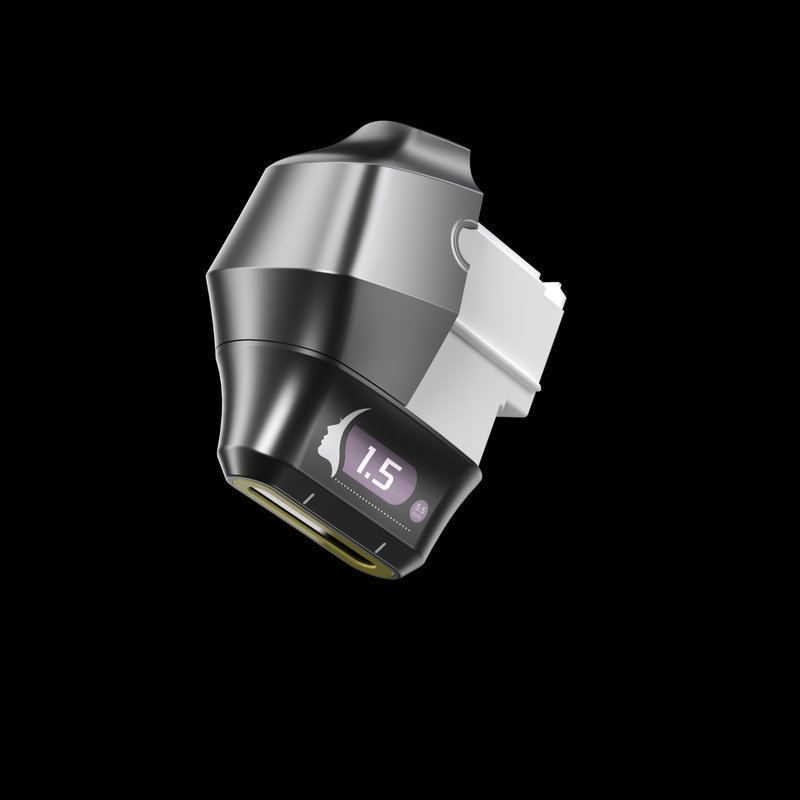
If you’re buying HIFU cartridges for $12 a piece from a supplier you found on Alibaba, you’ve already asked yourself the question: is this real, or am I putting junk in my patients?
The HIFU aftermarket has two separate authenticity problems, and they get confused a lot. The first is outright counterfeits — cartridges that look like a 7D or 4D cartridge on the outside but are built with undersized crystals, bare brass pins, and cheap seals on the inside. These come from small workshops that copy the plastic shell, stuff in whatever crystal fits, and sell at prices no real factory can match.
The second problem — and this one gets less attention — is recycled or repackaged cartridges. These are genuine cartridges that were used (sometimes all the way to end of life), cleaned up, repackaged in fake sealed bags, and sold as new. They look authentic because the shell IS authentic. The crystal inside is worn out. This is a massive problem with branded systems like Ultherapy and Ulthera, where a single genuine cartridge costs hundreds of dollars, creating an enormous incentive to recycle.
This guide covers both problems — and gives you practical ways to protect yourself whether you’re buying branded OEM cartridges or generic aftermarket ones.
First: The Two Different Worlds of HIFU Cartridges
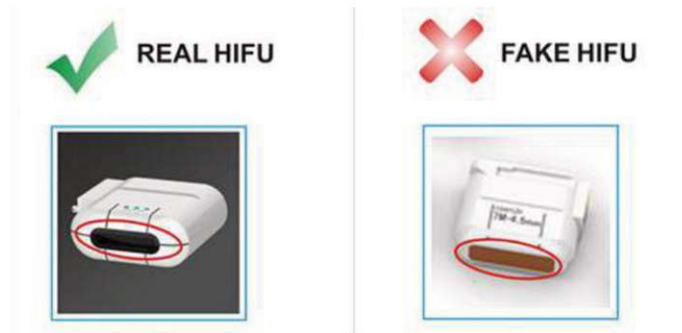
There’s an important split in how authenticity verification works, and it depends on what kind of HIFU system you own:
If you own a branded system, your verification path is: QR code → official app → chip pairing → Certificate of Authenticity. If you own a generic system, your path is: physical inspection → supplier due diligence → sample testing → relationship building. This guide focuses on the generic side because that’s what most of our customers use, but if you’re running a branded machine, the QR and chip sections below apply directly.
For Branded Systems: QR Codes, Chips & Apps
Every major branded HIFU system — Ultherapy, Ulthera, Doublo, Ultraformer — uses some form of electronic verification. Here’s what to actually check:
1. QR Code / Serial Number Scan — The Most Reliable Method
Every genuine branded cartridge comes with a unique anti-counterfeit QR code or serial number on the sealed packaging. Insist the supplier scans this in front of you using the brand’s official app or verification website. If it’s genuine, the system will display:
- The cartridge’s model number and manufacturing date
- “First activation” status — this is the critical field. If it shows anything other than “first activation” or “new,” it’s been used before.
- The rated shot count
Red flags: “The system is down right now,” “We use an internal distributor code,” “Here’s a photo of the serial number” — any of these means walk away. The verification takes 10 seconds. There’s no legitimate reason to skip it.
2. Machine Screen Pairing — The Chip Check
Branded cartridges have a chip inside that communicates with the console. When you attach a genuine cartridge, the machine screen should immediately show:
- The cartridge’s unique serial number (matching the one on the packaging)
- Full remaining shot count (e.g., 900/900 or 1200/1200, not 437/900)
If the screen pops up “Non-genuine tip” or the shot counter starts from a middle number — this is a recycled or counterfeit cartridge. End of discussion. No “maybe it’s a firmware issue” — it’s fake.
3. Certificate of Authenticity
Genuine branded cartridges come with paperwork. After the treatment, a legitimate clinic should be able to provide an official Certificate of Authenticity with the serial numbers of the cartridges used. This is standard practice for branded systems. If a supplier can’t produce this, ask yourself what else they’re cutting corners on.
For Generic/Aftermarket Cartridges: Physical Inspection
Generic HIFU cartridges (2D, 4D, 7D, 12D, and other Chinese/Korean platforms) typically don’t have QR codes, apps, or chip verification. The cartridges are simpler. That doesn’t mean they can’t be counterfeited — it just means you verify them differently.
1. Connector Pins — The Single Best Physical Indicator
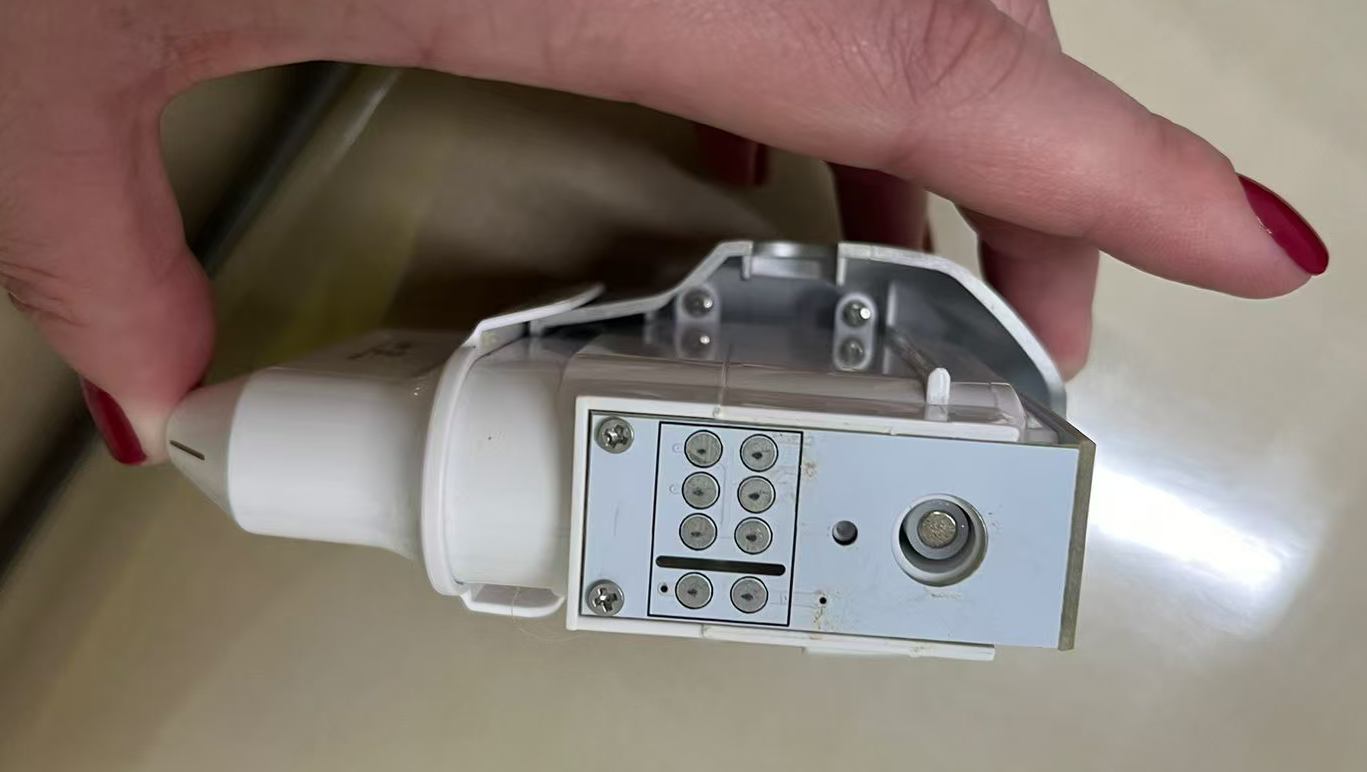
Look at the gold contact pins on the back of the cartridge. This tells you more about overall quality than anything else you can see from the outside:
Why this matters: gold-plated pins aren’t cosmetic. Bare brass oxidizes, contact resistance goes up, energy delivery becomes inconsistent, the machine compensates by pushing more current, everything runs hotter, and the crystal degrades faster. A bad connector can eat 30-50% of the cartridge’s useful life.
2. Weight Consistency Across a Batch
Take 5 cartridges from the same shipment. Weigh each one on a digital scale. Quality cartridges have tight weight tolerance — typically within ±0.5g of each other. Counterfeit batches using inconsistent crystals and plastic density often vary by 2-5g. This is a quick zip-test you can do when a shipment arrives.
3. Packaging Quality
- Individual sealed bags with desiccant inside, not loose in a bulk ziplock
- Printed cardboard boxes with consistent branding, not plain white boxes or mismatched labels
- Protective cap that fits snugly over the cartridge tip, not loose or missing
- No spelling errors — “HIFI” instead of “HIFU”, “cartrige” instead of “cartridge” — sounds obvious, but it happens
4. Build Quality — The Touch Test
- Weight: A genuine cartridge feels solid in your hand. The piezoelectric crystal and internal components have heft. Cheap fakes feel lighter because the crystal is smaller than it should be.
- Seams: The plastic housing joins should be smooth and even. Rough edges, visible glue marks, or uneven parting lines = cheap mold = probably fake.
- Tip: The metal probe tip should be firmly attached and perfectly centered. Off-center, loose, or visibly glued = reject.
- Fill port: The silicone water fill port should feel firm and springy. Cheap silicone on counterfeits feels sticky, overly soft, or cracked.
The Recycled Cartridge Problem
This deserves its own section because it’s the scam most people don’t look for. Here’s how it works:
A clinic uses a cartridge until it dies. They throw it in the trash. Someone retrieves it, cleans the outside thoroughly, stuffs it in a new counterfeit sealed bag, and sells it as “new.” The plastic shell is 100% genuine — which is exactly why most people don’t suspect anything. But the crystal inside has 20,000 shots on it and the seals are degraded from months of heat cycling.
How to spot a recycled cartridge:
- Faint scratch marks on the contact pins — a brand new cartridge has pristine, unscratched pins. Any wear means it’s been inserted before.
- Residue inside the fill port — a tiny amount of dried mineral residue around the silicone fill port means water was injected there before. New cartridges have a perfectly clean fill port with zero residue.
- Micro-scratches on the probe tip face — the metal tip of a brand new cartridge is mirror-smooth. Any micro-scratches under a bright light mean it’s contacted skin before.
- Sealed bag that looks “off” — subtle glue marks, inconsistent seal width, or a bag that tears open differently than others from the same batch. Recyclers re-seal bags with heat sealers that don’t match the factory equipment.
Performance Testing — The Final Arbiter
If physical inspection leaves you uncertain, test. Here’s a practical protocol you can do when you receive samples from a new supplier:
- First 100 shots: Fire 100 shots at 1.0 J into a test pad. Measure energy output. A quality cartridge holds consistent energy within ±5%. A counterfeit often starts strong but drops 15-20% within the first 100 shots as the poorly-polarized crystal degrades.
- Water leak test: After 100 shots, inspect the fill port and connector area for any moisture. Counterfeits leak because the seal quality is poor. Water escaping toward the electrical contacts is dangerous — both for the cartridge and your handpiece.
- Heat test: After 50 continuous shots at normal frequency, the cartridge body should be warm (~35-40°C) but not hot. Counterfeits run hotter (50°C+) because the crystal is inefficient — more input energy gets wasted as heat instead of ultrasound.
- Lifespan test: Run the cartridge to 5,000 shots and compare output to a known genuine cartridge of the same model at the same shot count. This is time-consuming but definitive — a quality cartridge degrades gradually and predictably. A fake degrades rapidly and unpredictably.
Price Reality Check
Here’s what quality HIFU cartridges actually cost from verified factories, in bulk (50+ pieces):
A quality factory cannot produce a full-size piezoelectric crystal, gold-plate the pins, properly seal the cartridge, and ship it to you for $5. The raw material cost alone exceeds that. If the price is below the “suspiciously low” column, the supplier is cutting corners somewhere — smaller crystal, bare pins, thin seals, or all three. The savings on a $7 cartridge will get eaten the first time it fries a $300 handpiece socket or you have to comp a treatment because the energy was inconsistent.
Supplier Verification — Your Long-Term Protection
The best defense against fake cartridges isn’t inspection — it’s building a relationship with a supplier you trust. Here’s what a legitimate factory looks like:
- They’ll do a video call showing the production floor. You can see the crystal testing equipment, the QC station, the packaging line. A reseller or counterfeiter makes excuses.
- They’ll send 3-5 samples for testing before you commit to a volume order. They expect this — it’s standard practice in the industry.
- They have CE and ISO 13485 documentation — and they’ll send you the actual PDF, not a jpeg logo on their website.
- They have a real MOQ (20-50 pieces per model). A “factory” that accepts orders of 1-2 pieces is a reseller.
- They have their own brand identity. White-label flexibility is normal, but a supplier with zero brand of their own is more likely to be a middleman flipping whatever’s cheapest this week.
Once you find a good supplier, stick with them. The cheapest quote is rarely the cheapest over a year of operation — factor in handpiece replacement cost, re-treatment rates, and patient satisfaction, and the math changes fast.
Verified Genuine HIFU Cartridges — Sample Orders Welcome
We supply factory-direct, CE-certified HIFU cartridges with full-size crystals and gold-plated connectors. Order 3-5 samples to test before committing. Ask for a sample order →