Why Does a HIFU Cartridge Need Water?
HIFU (High-Intensity Focused Ultrasound) cartridges contain a piezoelectric crystal that vibrates at millions of times per second to generate ultrasound energy. This vibration produces significant heat — enough to damage the crystal if not properly cooled.
Water inside the cartridge acts as a coolant and acoustic coupling medium. It serves two critical functions:
- Cooling the crystal — Water absorbs heat generated by the vibrating crystal, preventing thermal damage and extending cartridge life.
- Acoustic transmission — Ultrasound waves travel efficiently through water. Without enough water, the energy transfer from crystal to skin drops significantly, reducing treatment effectiveness.
Why Water Gets Low
There are two main reasons HIFU cartridge water levels decrease:
- International shipping — For safety and customs compliance, cartridges are often shipped with water partially or fully drained. This prevents leakage, freezing damage during air transport, and customs clearance issues.
- Gradual depletion during use — Over thousands of shots, a small amount of water evaporates or seeps through seals. This is normal wear — after ~5,000–8,000 shots, you may notice reduced output or inconsistent firing, often caused by low water.
How to Add Water to a HIFU Cartridge — Step-by-Step (7D HIFU Example)
We use the 7D HIFU cartridge as an example because it’s the most common model worldwide. The process is nearly identical for 4D, 2D, 12D, and most other HIFU cartridges.
What You’ll Need
- A syringe (5ml or 10ml, with a fine needle — insulin syringes work well)
- Distilled water or deionized water (do NOT use tap water — minerals will corrode the internal components)
- A clean cloth or paper towel
- Gloves (optional but recommended for hygiene)
Step 1: Locate the Water Fill Port
On the 7D HIFU cartridge, the water fill port is located on the side of the cartridge body (not the tip/face). Look for a small rubber plug or silicone seal — usually a tiny circle about 2–3mm in diameter, sometimes hidden under a sticker or label.
On some models, the fill port is on the top edge near where the cartridge connects to the handpiece. If you can’t find it, gently press around the cartridge body — the fill port area will feel slightly softer because of the rubber seal underneath.
Step 2: Prepare the Syringe
Fill your syringe with 3–5ml of distilled water. Tap the syringe gently to remove air bubbles — air inside the cartridge is just as bad as no water, as it creates dead spots in ultrasound transmission.
Step 3: Insert the Needle
Carefully insert the needle through the rubber fill port at a 45-degree angle. Go slowly — you’ll feel a slight resistance when the needle pierces the silicone seal, then a “give” as it enters the water chamber.
Insert only about 3–5mm deep. Going too deep may puncture internal components or the crystal housing.
Step 4: Slowly Inject Water
Depress the plunger slowly and steadily — about 0.5ml per second. Injecting too fast can create air pockets or damage internal seals. You’ll typically add 2–4ml depending on how low the water was.
How do you know when it’s full? You’ll feel increased resistance on the plunger, and a tiny drop of water may appear around the needle entry point. Stop immediately when you feel this resistance — overfilling can rupture the internal bladder.
Step 5: Seal and Clean
Withdraw the needle gently. Wipe the fill port area with a clean cloth. The rubber seal is self-healing and should close completely. If you see any water seeping out, apply gentle pressure with your finger for 10 seconds to help the silicone seal.
Wipe down the entire cartridge to ensure no water remains on the surface — water on the electrical contacts can cause connection errors with the handpiece.
Step 6: Test the Cartridge
Insert the cartridge into your HIFU handpiece and fire 2–3 test shots at low energy (0.5–1.0 J) into the air or a test pad. Listen for a consistent “tick” sound and check that the handpiece display shows normal energy output. If results are normal, the cartridge is ready for treatment use.
How Often Should You Add Water?
Signs Your Cartridge Needs Water
- Reduced energy output — Handpiece shows lower energy than set value, or treatment feels weaker
- Inconsistent firing — Cartridge sometimes fires, sometimes doesn’t, or fires at irregular intervals
- Unusual sound — A “hollow” or higher-pitched clicking sound instead of the normal solid “tick”
- Overheating — Cartridge becomes hot to touch after just a few shots
- Visible air bubbles — If your cartridge has a transparent window, you can see air gaps
FAQ — HIFU Cartridge Water Maintenance
Q: Can I use tap water or saline instead of distilled water?
No. Tap water contains minerals (calcium, magnesium, iron) that will deposit on the crystal surface and internal components, reducing efficiency and eventually causing failure. Saline solution is conductive and can short the electrical connections. Only use distilled or deionized water.
Q: What happens if I overfill the cartridge?
Overfilling can rupture the internal water bladder or force water into the electrical compartment, causing a short circuit. If you suspect overfilling, gently squeeze the cartridge body — if water leaks from the fill port, you’ve overfilled. Let it drain slightly before use.
Q: Does this process work for 4D, 2D, and 12D cartridges too?
Yes — the process is essentially identical for all HIFU cartridge types (2D, 4D, 7D, 12D). The fill port location may vary slightly between manufacturers, but the principle is the same. 12D Max cartridges tend to have slightly larger water chambers and may need 4–6ml instead of 2–4ml.
Q: Can I send my cartridge back for professional refilling?
Most suppliers do not offer refilling services — it’s more cost-effective to replace the cartridge. However, user refilling with distilled water is a standard maintenance procedure that extends cartridge life significantly. A well-maintained cartridge with regular water top-ups can achieve 80,000+ shots (far exceeding the rated lifespan).
Q: My cartridge has no visible fill port — what do I do?
Some sealed or “maintenance-free” cartridges are factory-sealed and not designed for user refilling. This is more common on very low-cost cartridges. If yours has no fill port, the only option is replacement when performance drops. When ordering replacement cartridges, ask your supplier for refillable models — they last 2–3× longer with proper water maintenance.
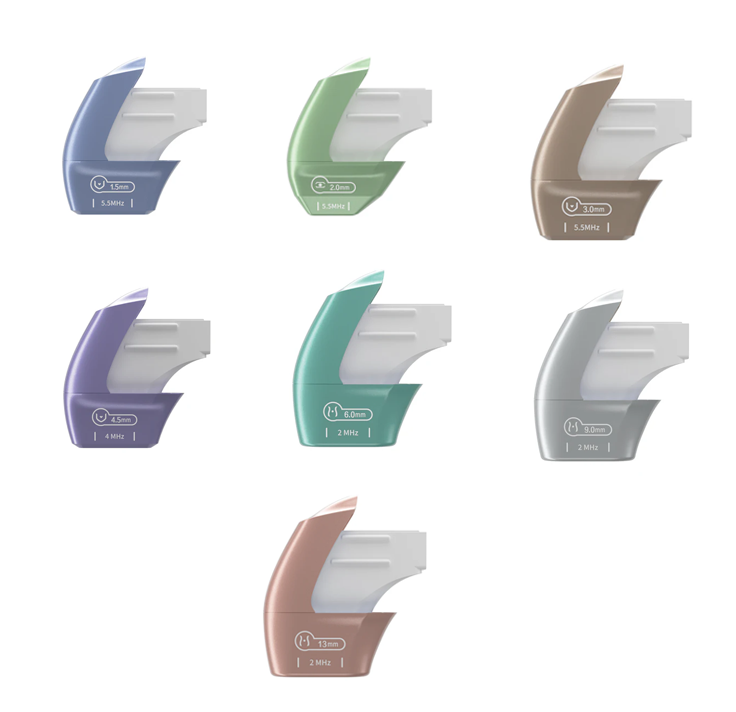
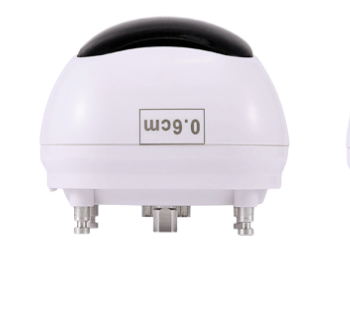
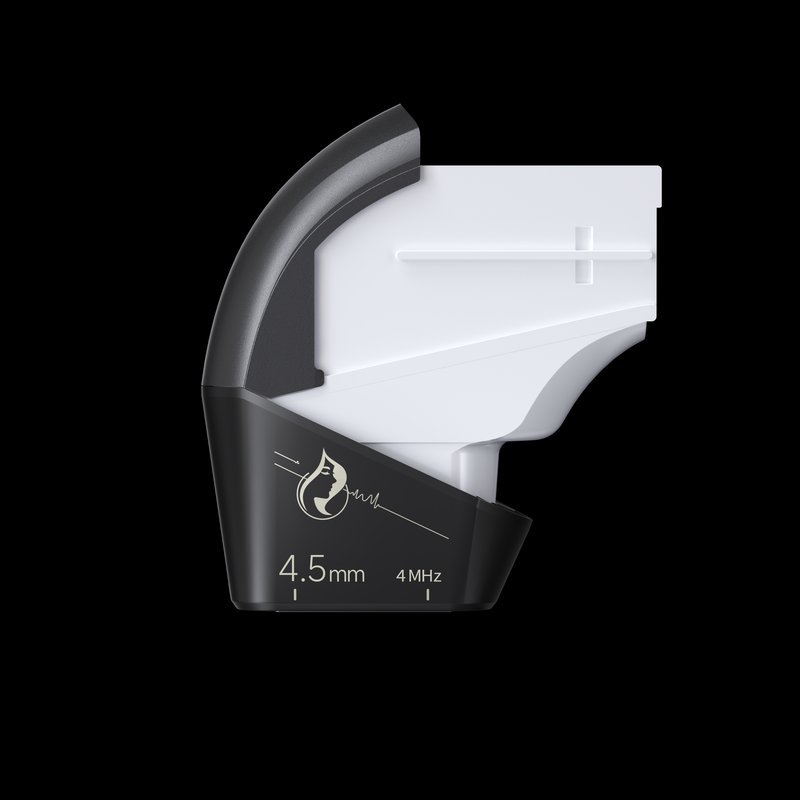
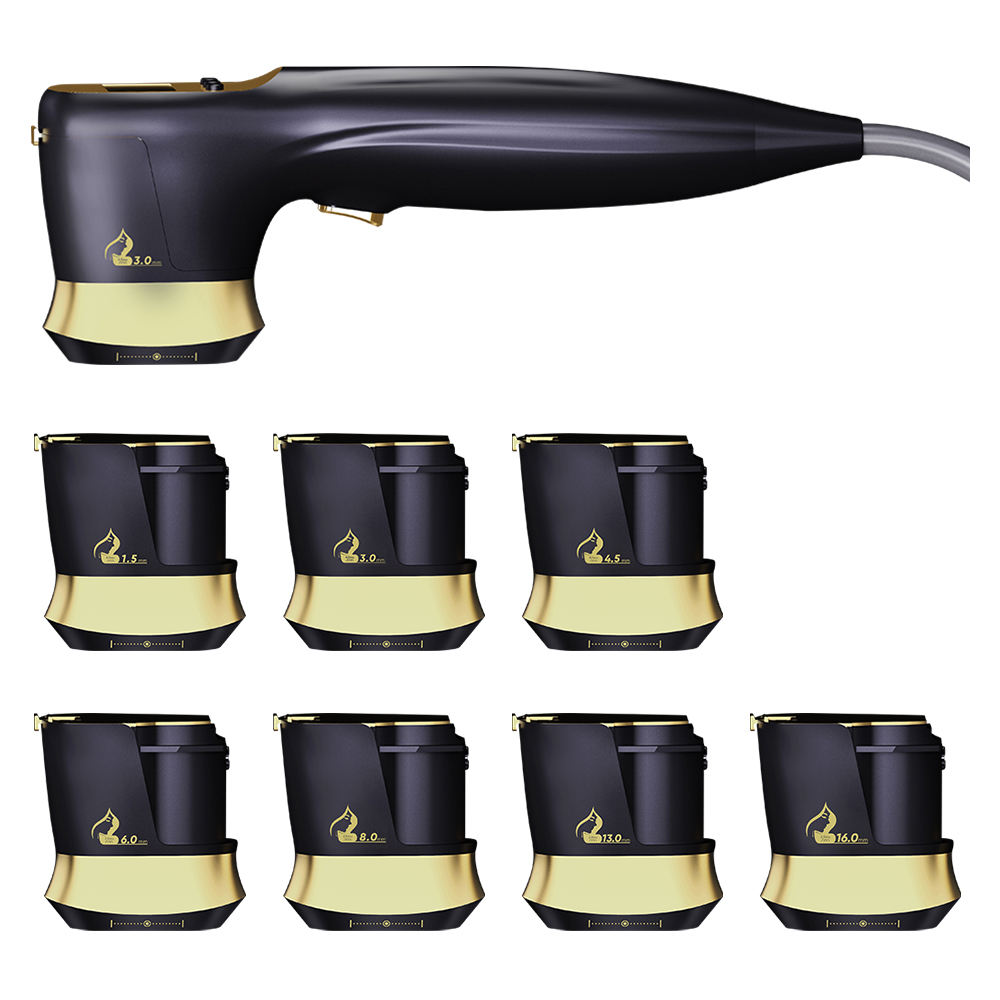
Need Replacement HIFU Cartridges? We Stock All 9 Types
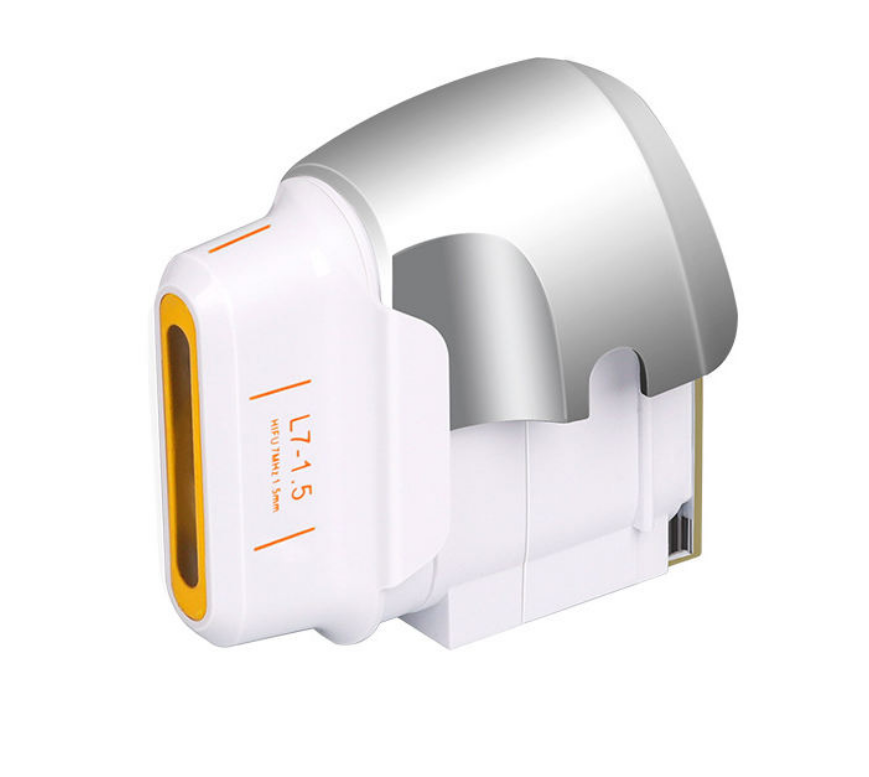
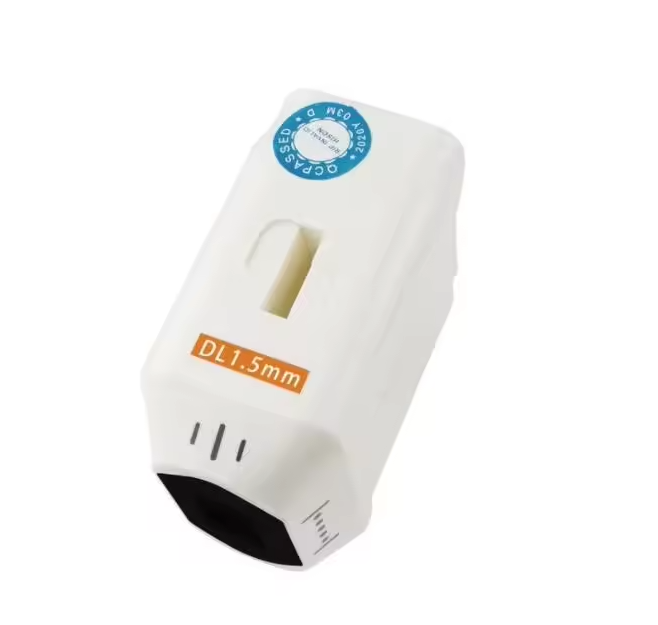
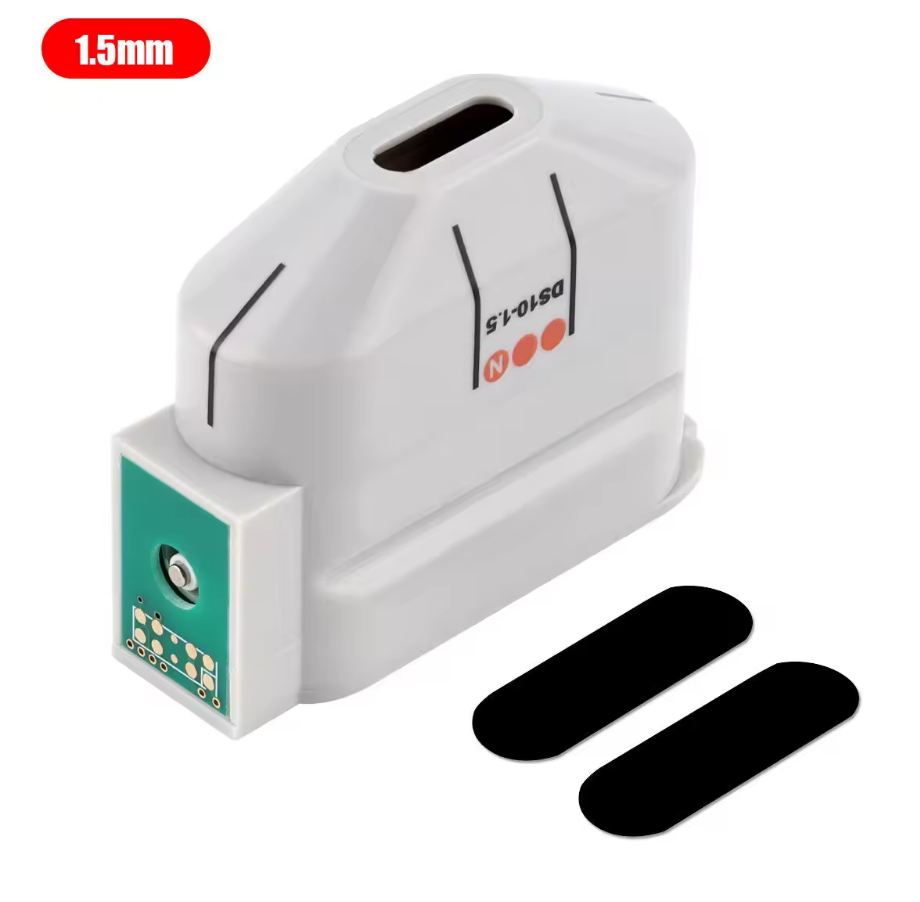
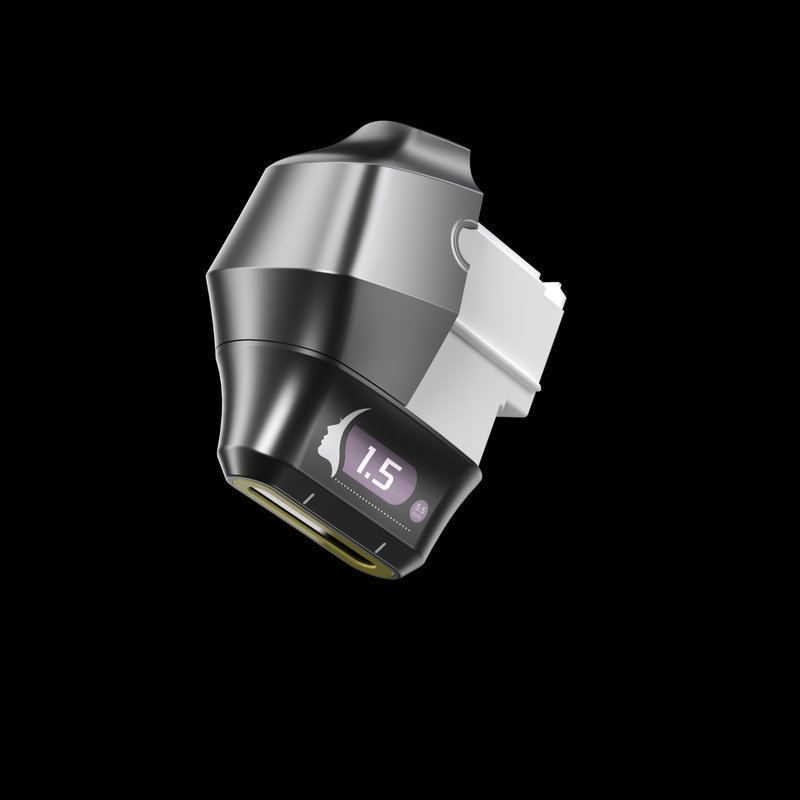
Whether you’re topping up water in your current cartridge or replacing a worn one, we carry the full range of HIFU cartridges for all major systems — 9 cartridge series covering every HIFU platform on the market. Factory-direct quality, CE certified, worldwide DHL/FedEx shipping.
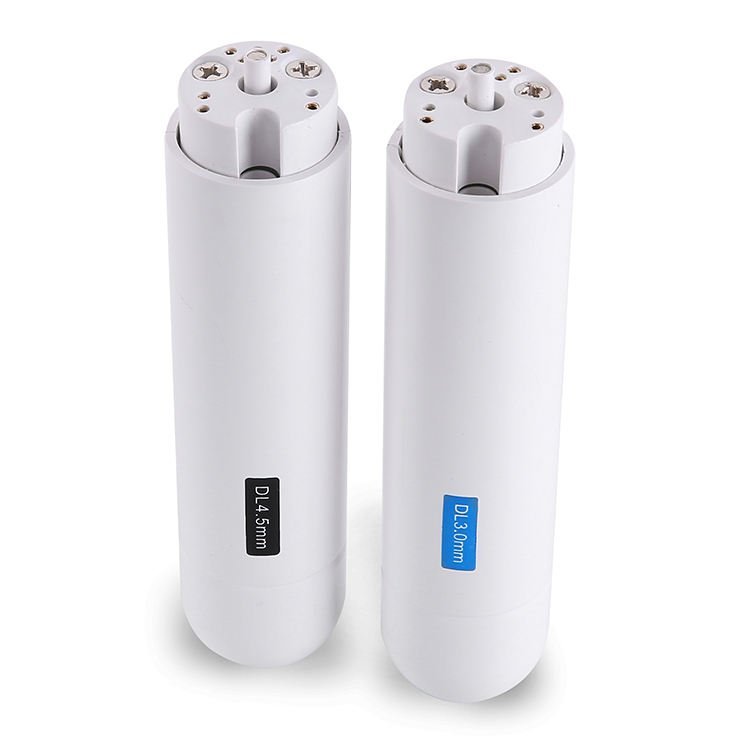
📦 Not sure which cartridge fits your machine?
Send us a photo of your handpiece or machine model — we’ll match the right cartridge within 24 hours. All cartridges ship with DHL/FedEx, 3–7 days worldwide.