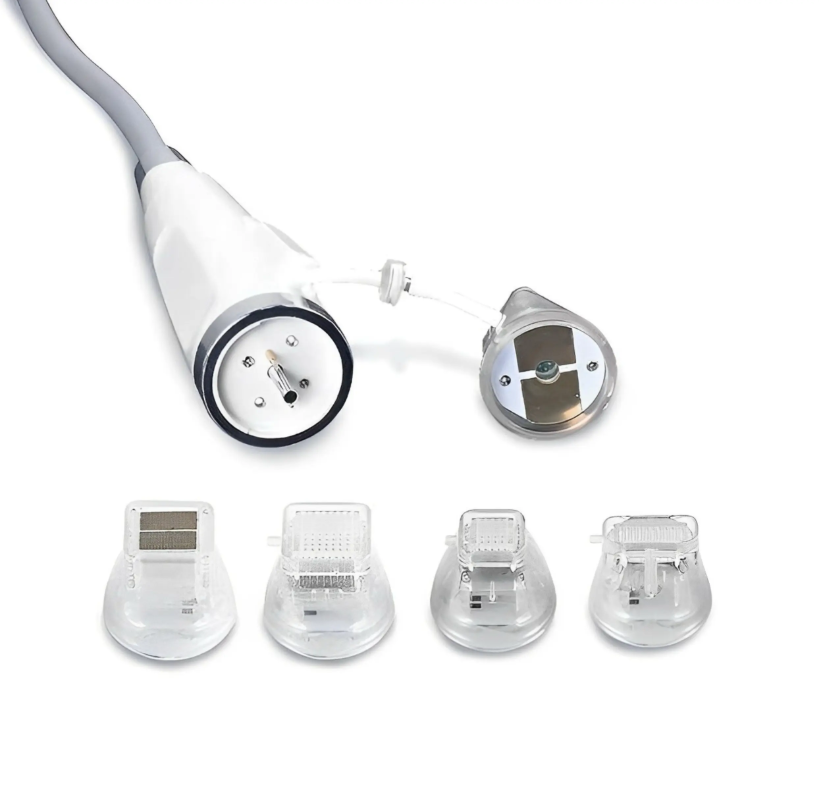
If you’re looking at adding microneedling to your clinic — or upgrading from a basic derma pen — you’ve probably asked the same question every clinic owner eventually hits: is RF microneedling actually worth the extra money, or is traditional microneedling good enough?
What’s Actually Different Under the Skin
Traditional microneedling is purely mechanical. Tiny needles punch micro-channels into the skin — typically 0.5mm to 2.5mm deep depending on the area — and your skin’s wound-healing response kicks in. New collagen forms around each micro-injury. That’s it. It’s straightforward, it works, and it’s been the standard for acne scar treatment and overall skin rejuvenation for 20+ years.
RF microneedling adds a second mechanism. As those same needles enter the skin, they release radiofrequency energy — heat — into the dermis. This does two things traditional microneedling can’t: immediate collagen contraction (the heat denatures existing collagen fibers, causing them to shorten and tighten on the spot) and deeper thermal coagulation zones that trigger a stronger, longer-lasting remodeling response.
Think of it this way: traditional microneedling is like aerating a lawn — you poke holes, and the grass grows back thicker. RF microneedling is like aerating a lawn while also running a subsurface heater — the holes are the same, but the heat creates a whole different level of biological response underneath.
Where the Real Difference Shows Up
For surface texture, fine lines, mild acne scars, and pore size — traditional microneedling does fine. Six sessions of 1.5mm traditional microneedling will give most patients noticeable improvement. A 2021 clinical study comparing the two for atrophic acne scars published in the Journal of Cutaneous and Aesthetic Surgery found traditional microneedling delivered about 25% scar improvement after four sessions. That’s real, and for many clinics doing basic facial rejuvenation, it’s enough.
For skin laxity, sagging, jowling, deep scars, and body tightening — RF microneedling pulls ahead. The same comparative study found RF microneedling delivered roughly 50% improvement in scar grade — double the traditional approach. The difference isn’t the needles. It’s the heat. Heat reaches the deeper dermis and even the superficial fat layer (with devices that penetrate beyond 3mm), creating tissue tightening that needles alone cannot produce.
Side-by-Side: What Matters for Your Clinic
When Traditional Microneedling Makes More Sense
If your clinic does mainly facial rejuvenation, mild acne scars, and pore refinement on a younger patient base (25–40), traditional microneedling is probably all you need. The per-treatment cost is lower, the downtime is shorter, and you can offer it as an add-on to facials and peels without a big capital investment.
Patients with Fitzpatrick IV–VI skin also have zero risk of thermal hyperpigmentation with traditional microneedling — it’s a purely mechanical process with no heat. This matters in markets where your patient base skews toward darker skin types.
When RF Microneedling Earns Its Price Tag
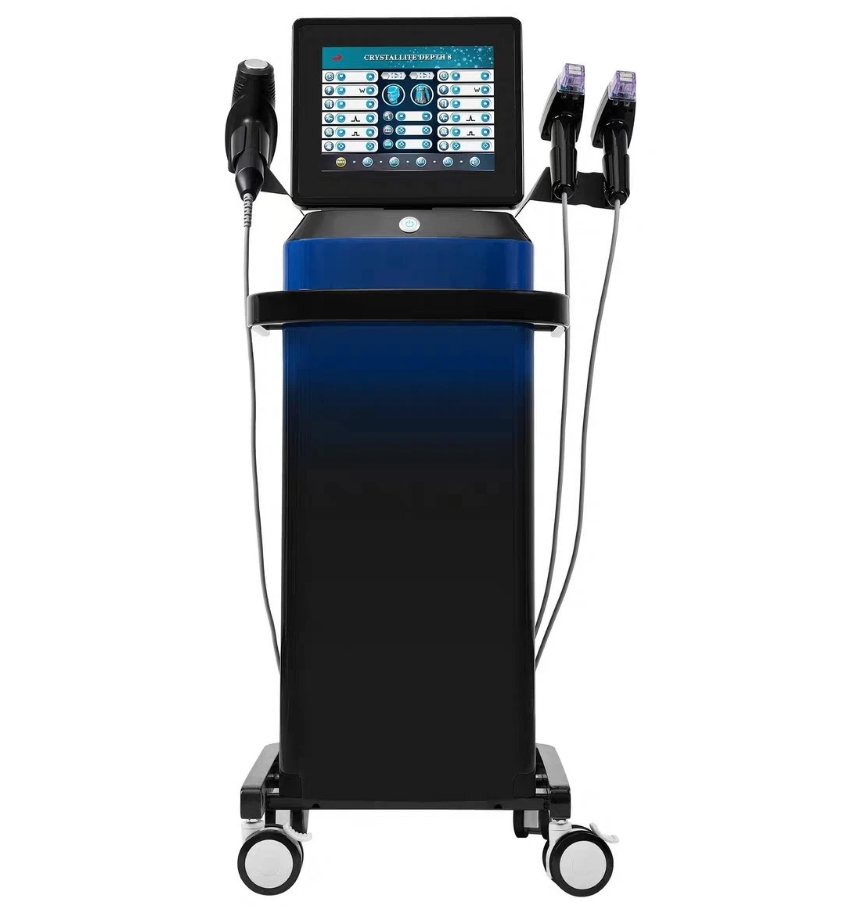
If your patients are coming in asking about “tightening” not just “glow” — jawline definition, jowl reduction, neck laxity, post-pregnancy belly skin — RF microneedling is the answer.
RF microneedling also opens treatment areas traditional microneedling can’t touch effectively: abdomen, thighs, arms, above-knee laxity, deep stretch marks, surgical scars. These are high-ticket treatments — patients pay $800–1,500 per session, and they come back. Most protocols call for 3–4 sessions, so one body patient is a $3,000–6,000 package. The machine pays for itself in a few months.
The Consumable Math No One Talks About
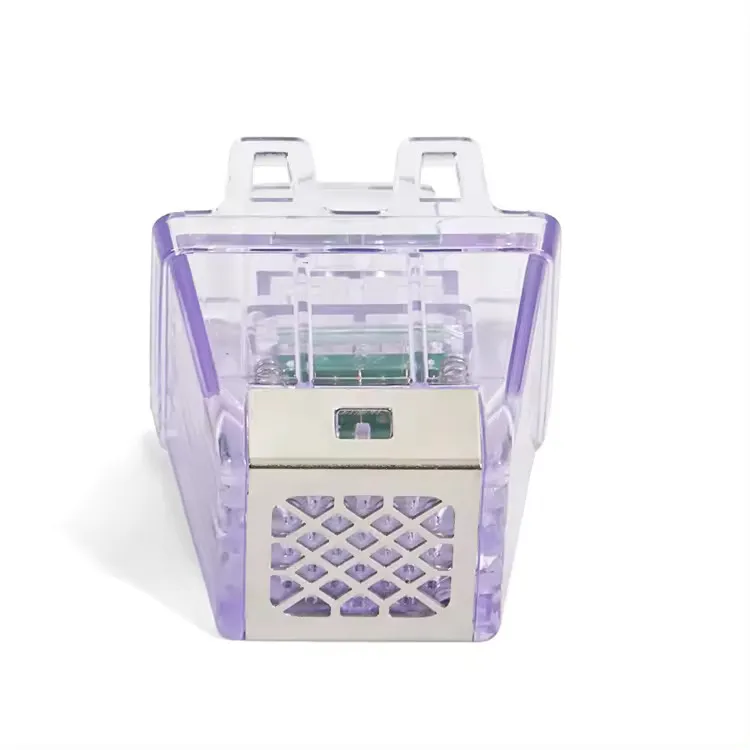
Here’s what actually matters for your P&L: consumable cost per treatment session. With RF microneedling, every session burns one cartridge. If you buy OEM-branded cartridges from the machine manufacturer, you might pay $150–300 per tip. That eats 20–30% of your treatment revenue before you’ve paid rent, staff, or marketing.
This is where factory-direct compatible cartridges change the math. The same surgical-steel, CE-certified, individually-sterilized cartridges — insulated, non-insulated, or gold-plated — cost $15–50 when bought direct from a parts supplier instead of through the machine brand’s locked-in consumable channel. Over a year of 200+ treatments, that difference alone is $20,000–50,000 in your pocket instead of the manufacturer’s.
The Bottom Line
Choose traditional microneedling if your clinic does high-volume facial rejuvenation and your patients want better texture, glow, and mild acne scar improvement at accessible prices.
Choose RF microneedling if you want to offer skin tightening, body treatments, and deep scar revision — and you’re ready to charge premium treatment prices that justify the machine investment.
Have both? Many clinics do. Traditional microneedling for the $300 facial add-on. RF microneedling for the $1,200 body tightening session. Different patients, different revenue streams, same treatment room.
RF Microneedling Products We Supply
Factory-direct RF microneedling cartridges, handpieces, and machines. CE & ISO 13485 certified. Bulk pricing available.