The Cryo Handle Is the Part That Actually Touches the Patient — Don’t Cheap Out
Your cryolipolysis machine is only as good as the handle delivering the cold. You can have a $15,000 machine and a worn-out handle with a dying cooling chip — and what the patient gets is uneven cooling, longer treatment times, and a result they won’t come back for.
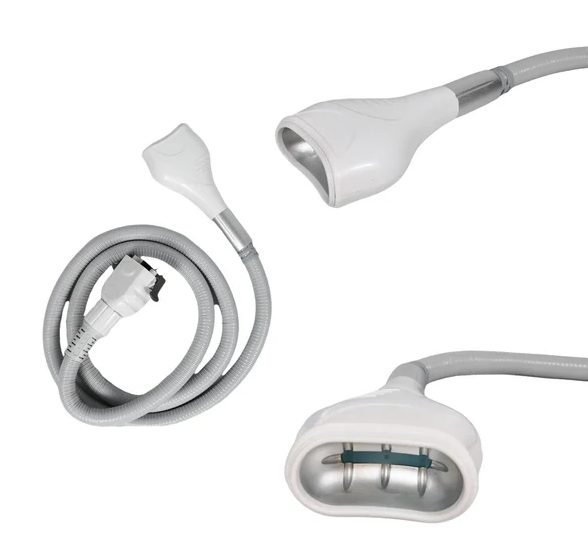
The handle isn’t just a plastic grip. It houses the thermoelectric cooling chip (TEC/Peltier module), the vacuum membrane, and the temperature sensor — all of which degrade over time. When any one of them goes, your treatment quality tanks.
This guide walks through what to look for when buying a replacement, how long each component actually lasts, and what maintenance actually makes a difference.
Cryo Handle Types: Which One Fits Your Machine?
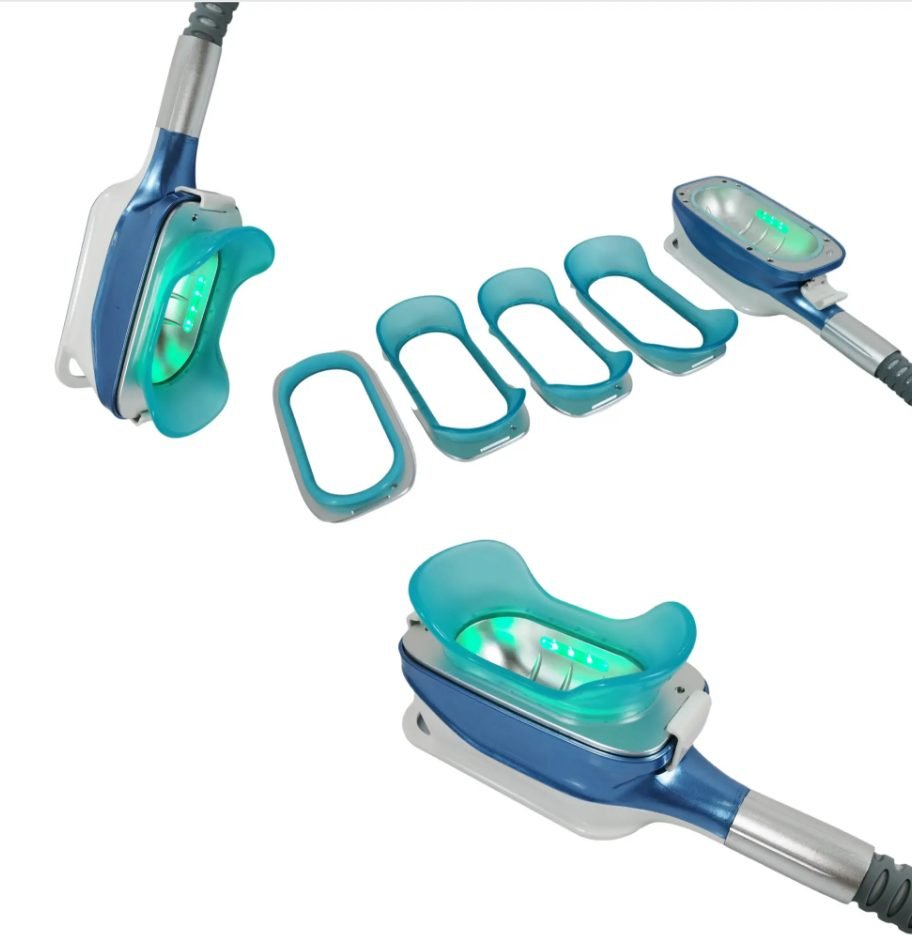
Cryo handles aren’t universal. Different machines use different cup sizes, cooling chip wattages, and connector types. Here’s how they break down:
The Cooling Chip: When It Dies, Treatments Die With It
The TEC cooling chip (Peltier module) is a solid-state heat pump. Apply current one way and it gets cold on the treatment side. Reverse it and it heats up. It’s the component that actually drops the applicator temperature to -5°C to -11°C — the range where fat cells crystallize while skin stays protected.
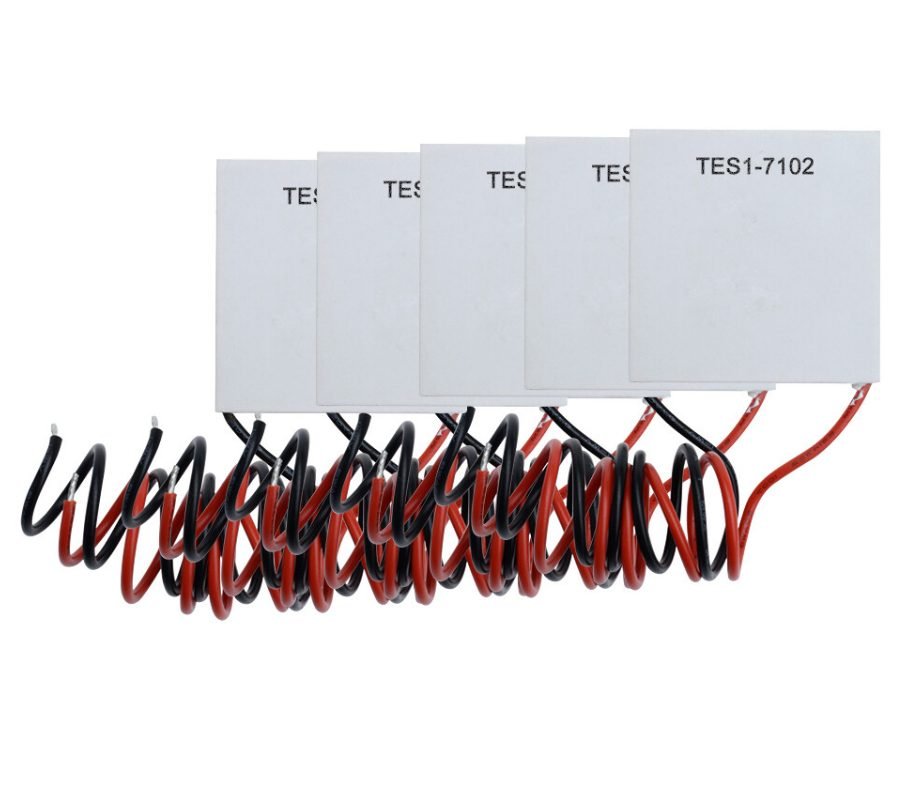
Typical Lifespan: 3,000–5,000 Cycles (2–3 Years)
Every cycle stresses the TEC. Hot-to-cold thermal cycling creates micro-cracks in the semiconductor junctions. After a few thousand cycles, efficiency drops. A new chip reaches target temperature in 30–60 seconds. A worn one takes 2–3 minutes — and sometimes never hits the target at all.
In a busy clinic running 5–8 cryo treatments a day, you’re looking at roughly 1,500–2,000 cycles per year. That puts the cooling chip replacement window at about 2 years of active use.
Signs Your Cooling Chip Is Failing
Vacuum Membranes & Gel Pads: The Parts You’ll Replace Most Often
Beyond the cooling chip, two consumables need regular attention:
Maintenance That Actually Extends Handle Life
Most clinics do basically no maintenance on their cryo handles until something breaks. Here’s what moves the needle:
- Clean the cup after every session. Residual gel and skin oils degrade the cup surface. Isopropyl alcohol 70% on a lint-free wipe — 15 seconds, done.
- Check thermal paste every 6 months. The TEC is bonded to the copper cold plate with thermal paste. It dries out. If you’re comfortable opening the handle, clean off old paste and apply a fresh thin layer (Arctic MX-6 or similar). This alone can restore 10–15% cooling efficiency on a handle that’s “slowing down.”
- Inspect the cable strain relief. The cable where it enters the handle flexes constantly. Small cracks in the outer jacket let moisture in, which corrodes the TEC connectors. Wrap it with silicone tape at the first sign of wear.
- Calibrate the temperature sensor annually. Even a 1–2°C drift means you’re either under-treating (no fat cell death) or over-cooling (frostbite risk). Most machines have a calibration function in the service menu.
- Don’t wrap the cable tight around the handle. It stresses the connector pins. Coil it loosely — figure-8 pattern if you’re storing it on a hook.
Should You Replace the Chip or the Whole Handle?
If the cooling chip is the problem and the handle body, cable, and connector are all in good shape — replace just the chip. It’s a $40–$80 part vs. $150–$300 for a complete handle.
But if you have two or more of these happening at once, replace the whole handle:
- Chip is failing AND cable has visible wear
- Chip is failing AND the cup has deep scratches or clouding
- Chip is failing AND the connector pins show corrosion
The labor to rebuild a worn handle often equals the cost difference of a new one. And a rebuilt handle with one new component but worn everything else will fail again sooner than you’d like.
Product Recommendations
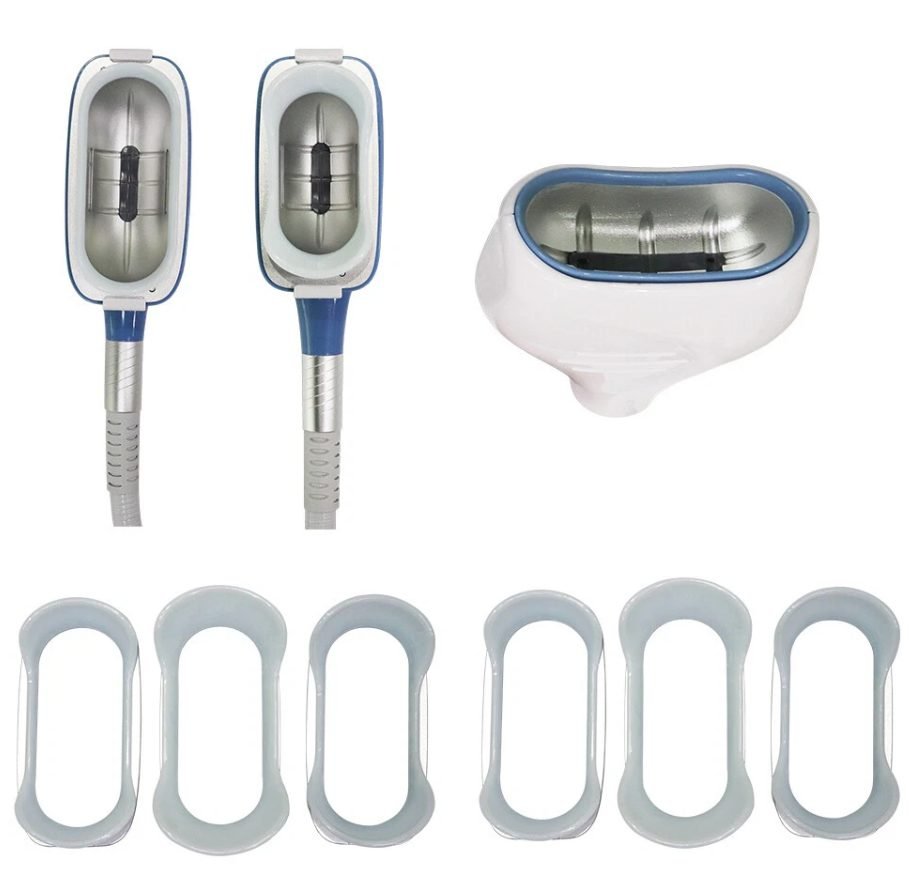
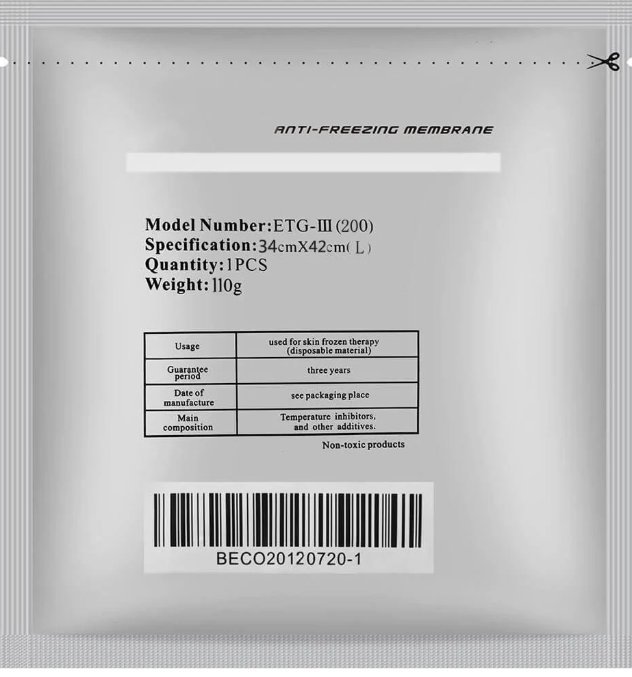
Not sure which handle or chip fits your cryo machine? Send us a photo of your current setup and we’ll match the right part — usually same day.
Related reading: Anti-Freeze Membrane Guide · Cryo Machine Maintenance & Troubleshooting · Cryolipolysis Parts Hub