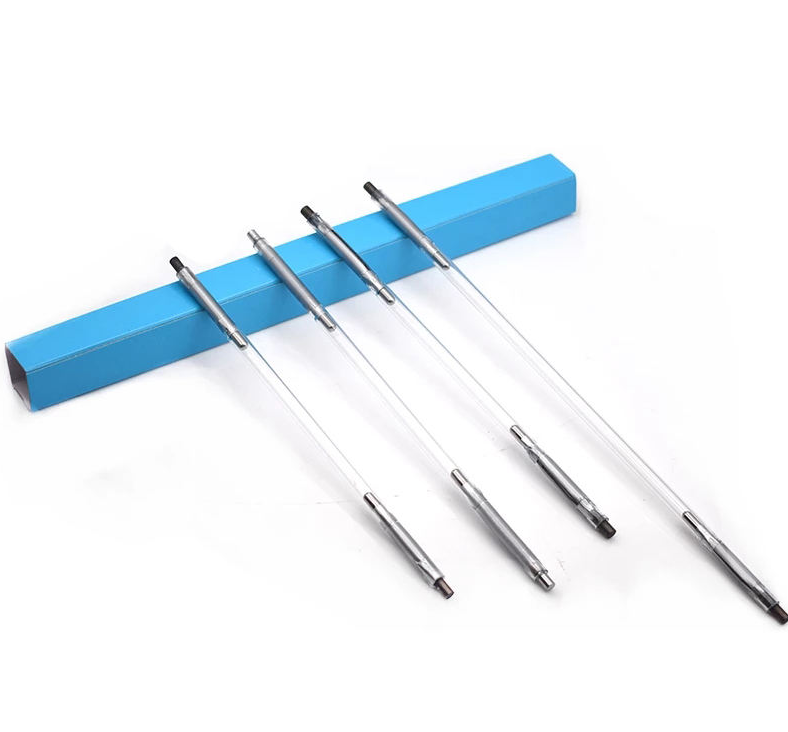
The flash lamp in your Q-switched Nd:YAG laser isn’t like a light bulb that just stops working one day. It fades — gradually, almost invisibly — until one session you realize you’ve been creeping up the energy settings for weeks and the results still aren’t what they used to be.
In aesthetic machines doing tattoo removal and skin treatments, the flash lamp is the single most-replaced component. It’s a consumable, like toner in a printer — except this consumable costs $20-80 and takes 30 minutes to swap. Knowing when to replace it before it fails saves you from the awkward conversation where you tell a patient their tattoo removal session got cut short because the machine died.
This guide covers the real-world lifespan of Nd:YAG flash lamps in aesthetic use, how to read the warning signs, and a few tricks to squeeze more life out of a lamp without compromising your treatments.
How Long Does an Nd:YAG Flash Lamp Actually Last?
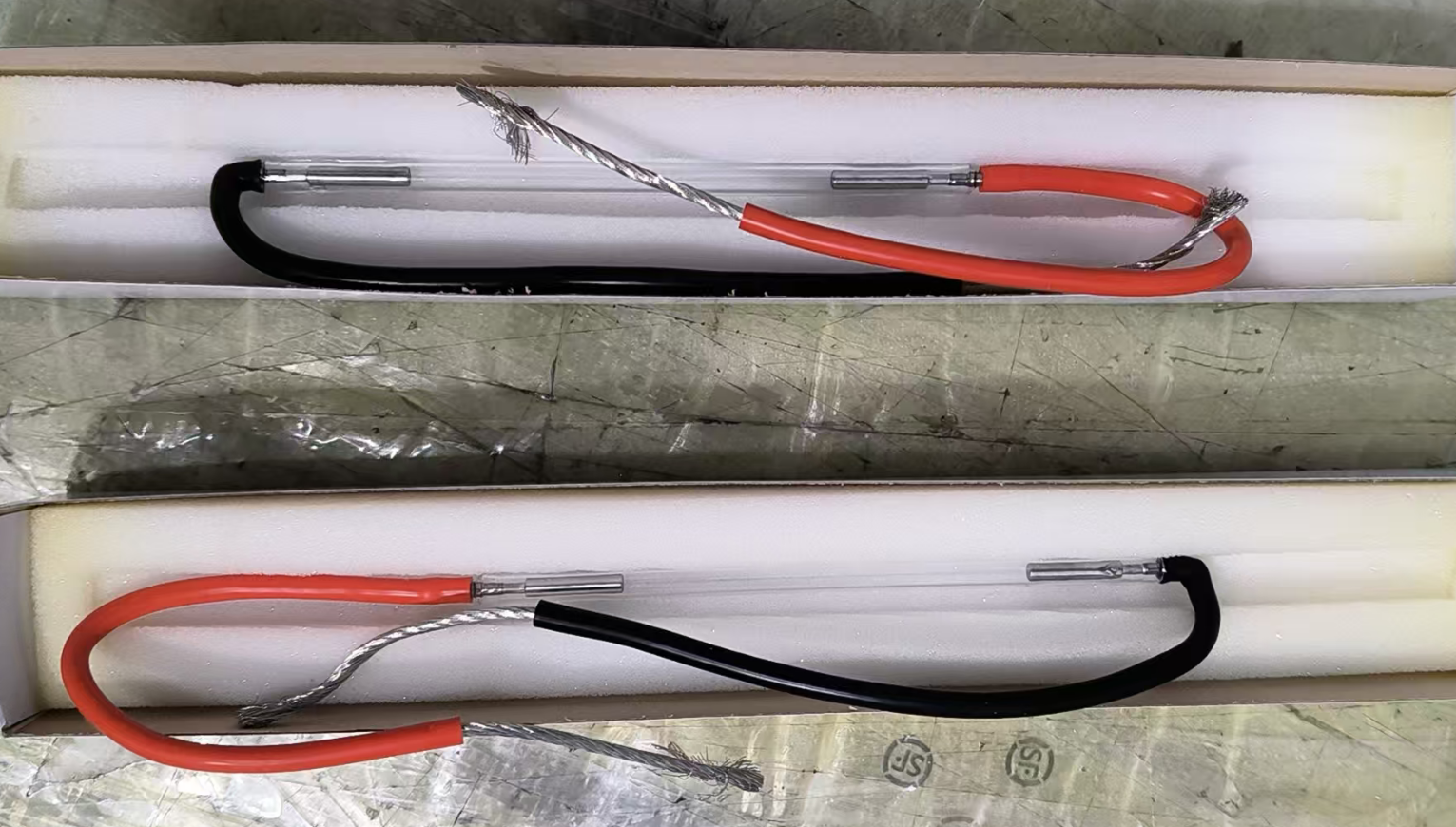
The honest answer: it depends a lot on what kind of system you’re running and how hard you push it. Here’s the breakdown across different use cases:
In a typical tattoo removal clinic doing 5-10 sessions a day, with each session using roughly 200-500 shots (depending on tattoo size), a lamp rated at 1-2 million shots translates to about 6-18 months of daily use. Some clinics proactively replace every 12 months regardless of the shot counter, just to stay ahead of the degradation curve. A few high-volume shops we know swap lamps every 4-6 months because they’d rather eat the $40 lamp cost than risk a mid-treatment failure on a full-sleeve tattoo client.
6 Signs Your Flash Lamp Is Dying
Flash lamps don’t fail like a switch — they degrade. Here’s what to watch for, in the order you’ll typically notice them:
1. Creeping Up the Energy — The Earliest and Most Reliable Sign
You used to get good results at 600mJ. Then you needed 650. Now you’re at 750 and thinking about going higher. The tattoo that used to show visible fading after session 3 now takes 5 sessions to look the same. This is lamp degradation, plain and simple. The xenon gas inside the lamp slowly gets contaminated with electrode material (tungsten sputtering), which reduces the light output per electrical pulse. More electrical energy in = same light out = the lamp is tired.
Industry rule of thumb: when you’ve increased your normal operating energy by 20-30% to achieve the same clinical endpoint, you’ve got about one month before the lamp fails completely. Order the replacement now, not later.
2. Inconsistent Shot-to-Shot Energy
One pulse hits hard, the next feels soft. The energy meter on the console bounces around more than usual — ±15-20% variation when it used to be ±5%. This happens because the electrodes inside the lamp are eroding unevenly, creating an unstable arc path. Once inconsistency sets in, it doesn’t get better — it gets worse, fast. Replace within 1-2 weeks.
3. “Voltage Limit” or “Energy Limit” Errors
Your console can only push so much voltage to the lamp. When the lamp degrades to the point where the power supply can’t compensate anymore, you’ll see errors like “voltage limit stop” or “energy not reached.” The machine is telling you, literally, I can’t push enough power to make this lamp produce the set output. This is a hard technical limit — the lamp is done. Don’t try to override or bypass this. Replace it.
4. Skipped or Missed Pulses
You fire 10 shots, but the counter only shows 8 or 9. Or the lamp fires but produces a dim, weak flash that doesn’t register as a full shot. This is electrode erosion — the trigger voltage can’t reliably jump the gap anymore. Once skipping starts, full failure is usually days away, not weeks.
5. Physical Appearance — Cloudy or Darkened Tube
A new flash lamp is crystal clear — you can see right through the quartz. A dying lamp looks cloudy, yellowish, or has dark metallic deposits on the inside of the glass. This is tungsten sputtered off the electrodes and deposited on the tube wall. It blocks light output directly — the more deposit, the less light reaches the laser rod. If your lamp looks like a used fluorescent tube, it’s been done for a while.
6. Built-in Shot Counter Warnings
Most modern Q-switch consoles have a lamp life tracker. Typical warning progression: first alert at 80% of rated life, then at 90%, then at 95%, then every 10,000 shots beyond the rated maximum. Don’t ignore these. They’re not marketing upsells — they’re based on the manufacturer’s actual failure distribution data. When the console says “lamp life exceeded,” it means they’ve seen enough lamps fail at this point to warrant a mandatory warning.
Before You Replace: Rule Out These 4 Things First
These can all mimic a dying lamp. Check them before you order a replacement — you might save yourself a lamp swap:
1. Coolant Quality
Dirty cooling water is the most common lamp-lifespan killer in aesthetic Nd:YAGs. Over time, distilled water picks up ions from the metal fittings inside the cooling loop, becoming slightly conductive. This creates a parasitic electrical path that bleeds energy away from the lamp. Signs of bad coolant:
- Black particles — pump impeller wear. Replace coolant and inspect the pump.
- Green/brown tint — organic contamination (algae, bacteria). Flush the system.
- Cloudy water — mineral or particulate buildup. Replace with fresh distilled water.
Change coolant every 3 months minimum. Some clinics do it monthly. It’s $2 worth of distilled water vs. a $40 lamp — the math is easy.
2. Optical Alignment
If the lamp isn’t centered in the reflector cavity — even by half a millimeter — less light reaches the laser rod, and your output drops. This can happen gradually as the lamp holders loosen from thermal cycling. If you just replaced the lamp and output is still low, check alignment before assuming the new lamp is defective.
3. Q-Switch Timing
An incorrect Q-switch delay setting will attenuate your output dramatically — and it looks exactly like a weak lamp. If someone recently serviced the machine or the settings were changed, check the Q-switch delay against the manufacturer’s spec sheet before replacing the lamp.
4. Dirty Optics
The laser rod ends, mirrors, and focusing lenses inside the cavity accumulate a thin film over time — dust, coolant residue, outgassing from aging seals. A dirty optic absorbs light that should be reaching the treatment tip. Clean rod ends and accessible optics with lens tissue and methanol before concluding the lamp is the problem. This is a 10-minute check that costs nothing.
The Voltage Compensation Trick (Temporary Only)
If your console lets you adjust pump voltage, you can compensate for an aging lamp by increasing voltage in small increments — about 20V at a time. This pushes more electrical power to the lamp, which produces more light, which temporarily restores your output.
But there’s a limit. Once you’ve increased the voltage more than 100V above the baseline setting that was used when the lamp was new, stop compensating and replace the lamp. Beyond 100V, you’re running the lamp so far outside its design parameters that you risk:
- Catastrophic lamp rupture — the quartz envelope can’t handle the over-voltage stress
- Damage to the power supply — pushing max voltage continuously wears capacitors and trigger circuits
- Unstable output — the lamp arc becomes erratic at extreme voltages
Voltage compensation is a stopgap to get you through the week while the replacement lamp ships. It’s not a maintenance strategy.
Dual-Lamp Systems: Replace Both, Always
If your laser has two flash lamps (common in higher-power Q-switched systems and some Pico lasers), always replace both at the same time. They’ve been through the exact same number of shots, the same thermal cycles, and the same coolant conditions. A new lamp paired with an old one creates uneven pumping of the laser rod, which produces poor beam quality and uneven energy distribution. You’re not saving money by replacing only one — you’re degrading your treatment results.
How to Track Lamp Life Without a Shot Counter
Not every Q-switch console has a shot counter, and some of the ones that do are inaccurate. Here’s a simple manual system:
- Label the lamp — When you install a new lamp, write the installation date on a piece of tape and stick it somewhere visible on the laser head. Also record it in a logbook or spreadsheet.
- Track treatments, not shots — If your machine doesn’t count shots, count treatments. A typical tattoo removal session uses 200-500 shots depending on size. A full-face skin rejuvenation might use 300-600. Multiply your average treatments per day by shots per treatment to estimate cumulative shots.
- Log energy settings — Every month, note what energy setting you’re using for a standard black-ink tattoo. When you’ve crept up more than 20%, order a replacement lamp.
- Set a calendar reminder — Based on your volume, estimate your replacement interval and set a recurring reminder. For a clinic doing 10 treatments/day at 300 shots average, that’s about 75,000 shots/month. A 1.5M-shot lamp lasts about 20 months. Set the reminder at 18 months to order ahead.
FAQ
Can I get more life out of my lamp by running at lower energy?
Yes — significantly. Running at 400mJ instead of 800mJ can double or triple lamp life. The wear mechanism is non-linear: each doubling of energy more than doubles the electrode erosion rate. If a treatment protocol works at 500mJ, bumping to 600mJ “just to be safe” is costing you lamp life with no clinical benefit. Use the minimum effective energy for each patient.
Does the lamp degrade when the machine is on but not firing?
No — the lamp only wears when it fires (pulsed systems) or is continuously lit (CW systems). Standby mode doesn’t age the lamp. The cooling system running constantly, however, does slowly degrade coolant quality, which indirectly affects lamp life. So change coolant on schedule regardless of shot count.
What’s the shelf life of an unused spare lamp?
Indefinite, if stored properly. Keep it in its original packaging, in a cool dry place, away from direct sunlight. The xenon gas inside doesn’t leak, the quartz doesn’t degrade, and the electrodes don’t corrode under normal storage conditions. A lamp sitting on a shelf for 3 years is functionally identical to one manufactured last month. Stocking spares has zero downside.
Is it worth upgrading to a diode-pumped system to avoid lamp replacements?
Diode-pumped Nd:YAG lasers eliminate the flash lamp entirely — they use semiconductor laser diodes to pump the rod instead. Diode life is typically 10,000-20,000 hours (vs. 300-800 for arc lamps). But the upfront cost is 3-5× higher, and when the diodes eventually fail, replacement is much more expensive than a $40 flash lamp. For most independent clinics, lamp-pumped systems with regular maintenance are still the better value. If you’re a chain doing 30+ treatments a day, the math starts to favor diode.
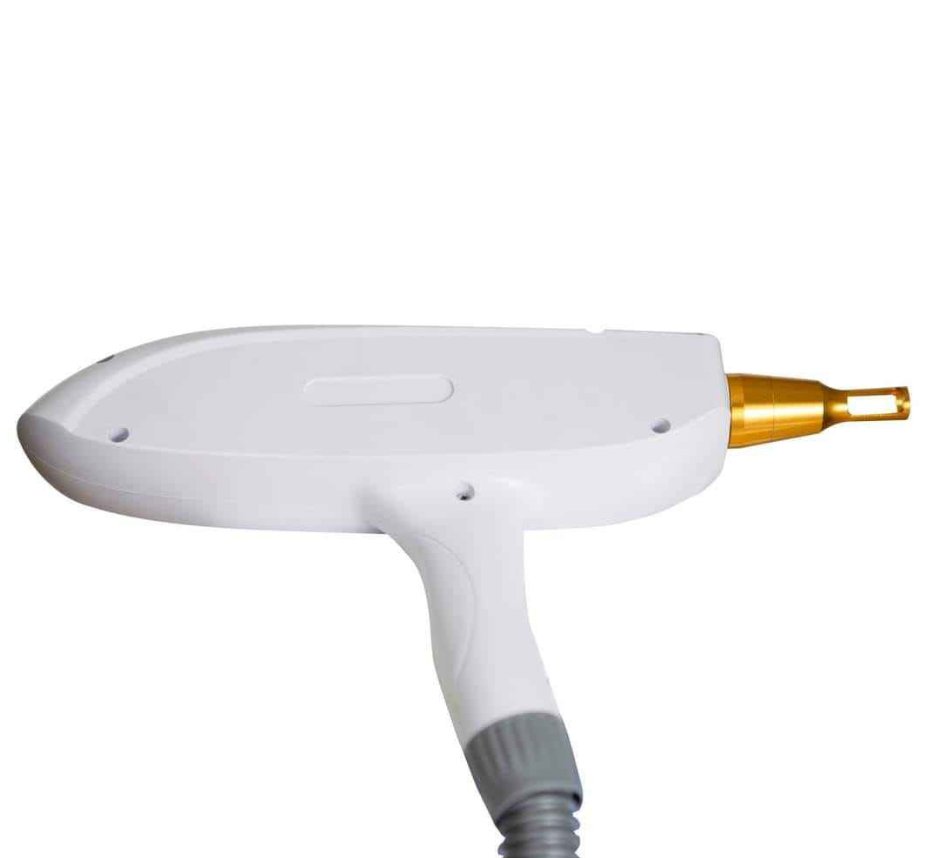
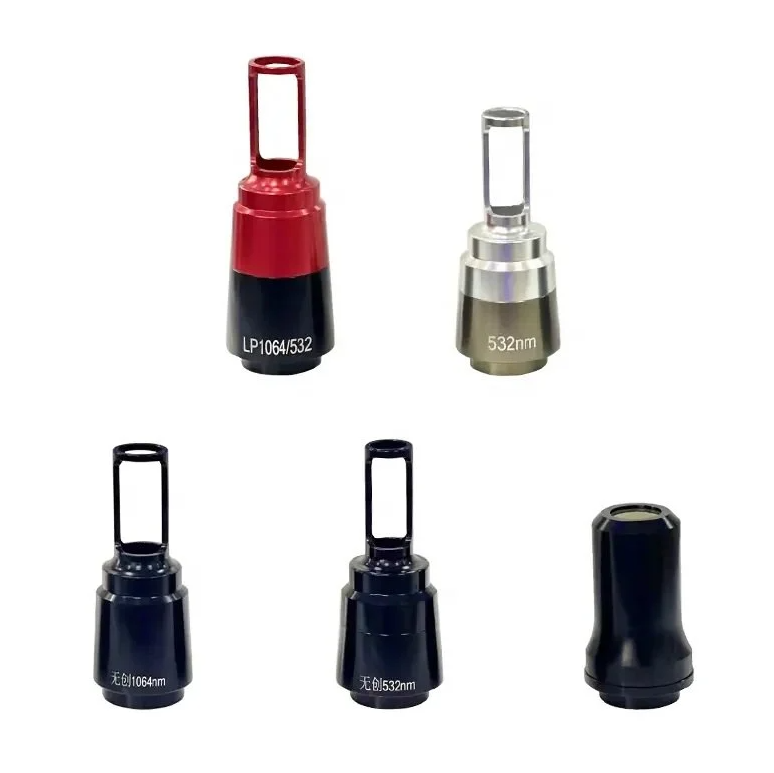
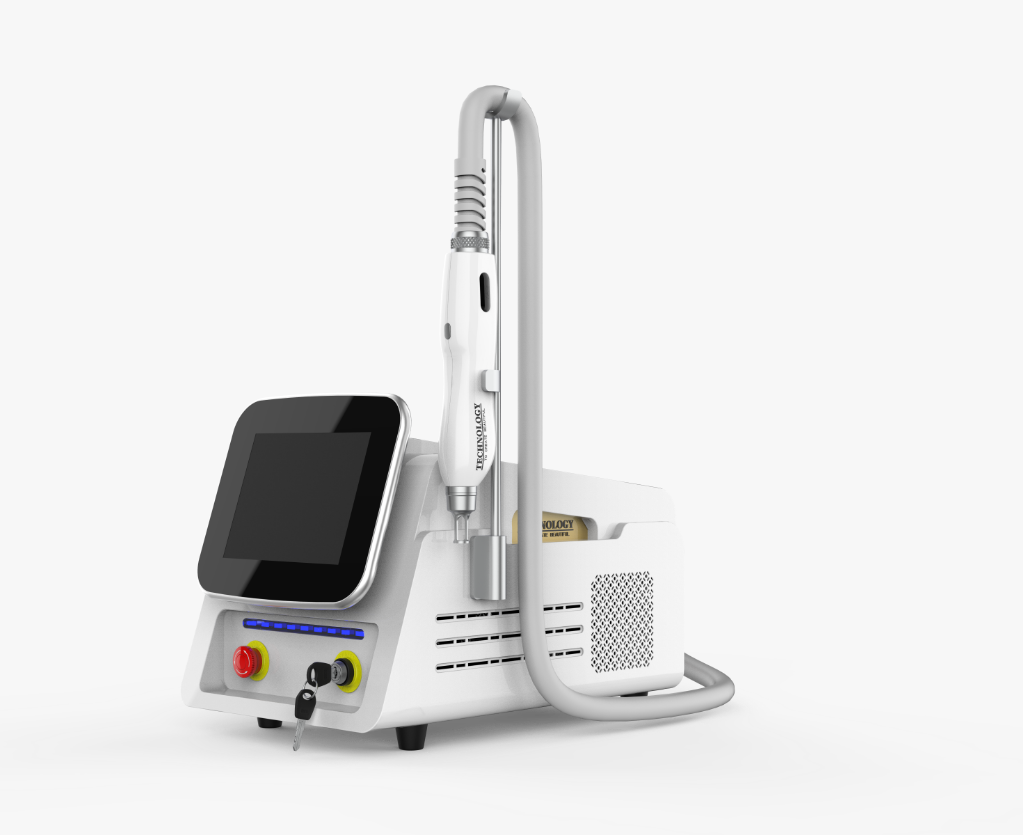
ND YAG Flash Lamps & Parts — Stock Up Before You Need Them
We stock flash lamps in all 10 common ND YAG sizes, plus replacement handpieces, treatment tips, and complete machines. Lamps ship from stock — no backorders. Order a spare lamp now →